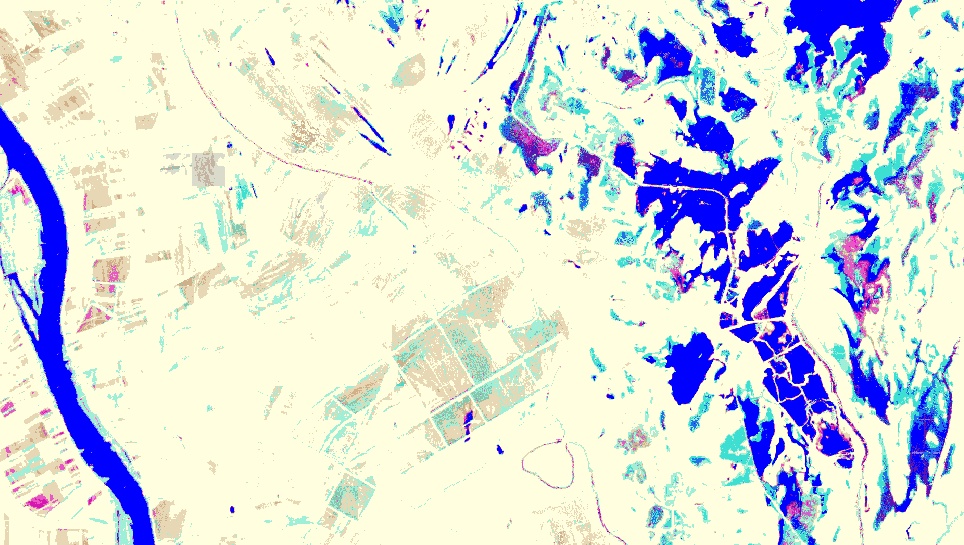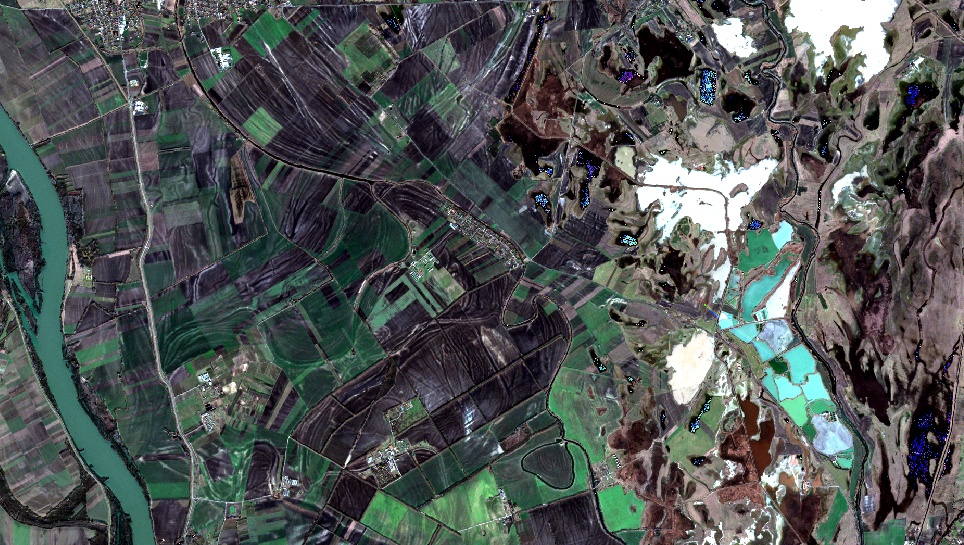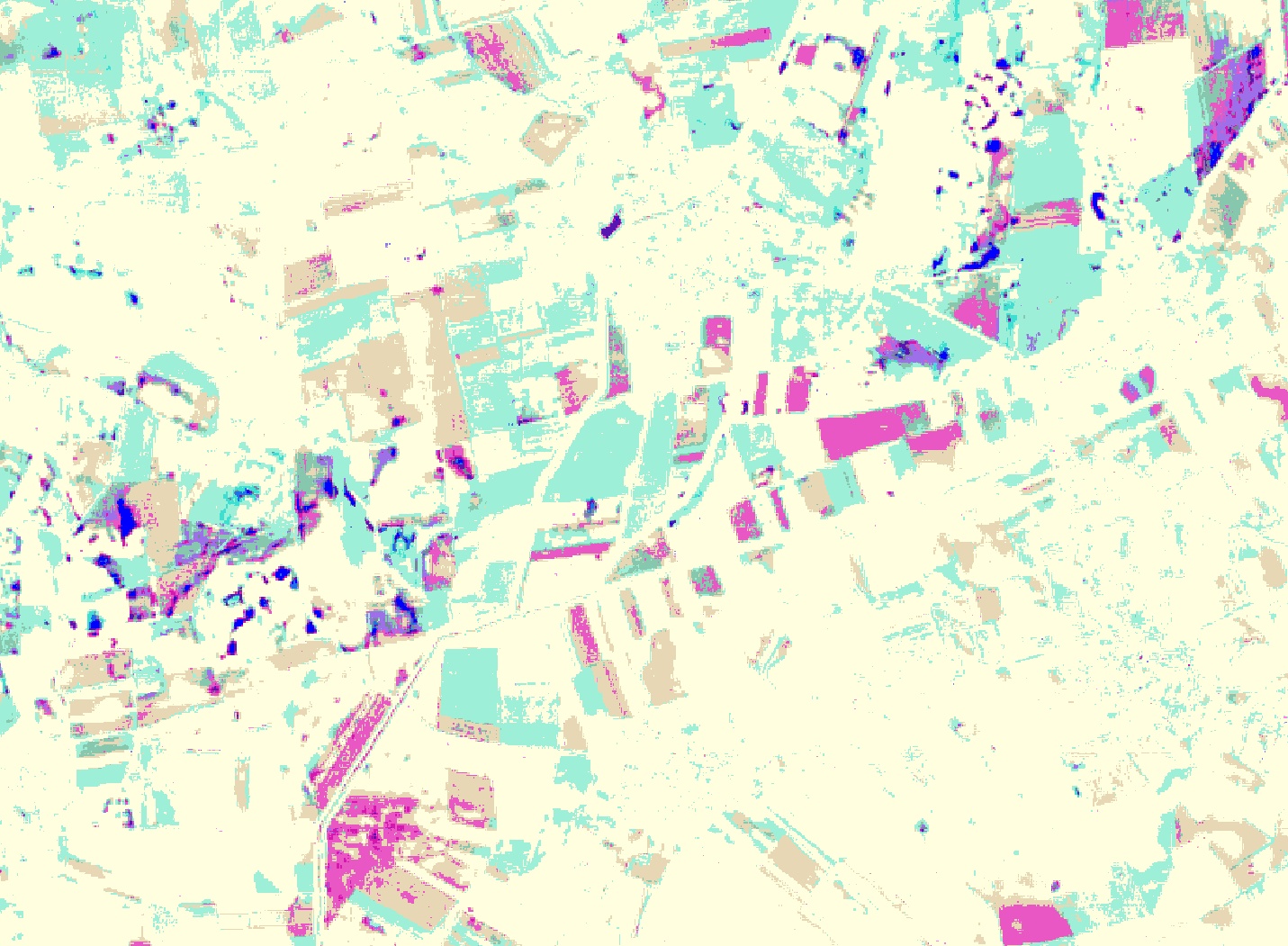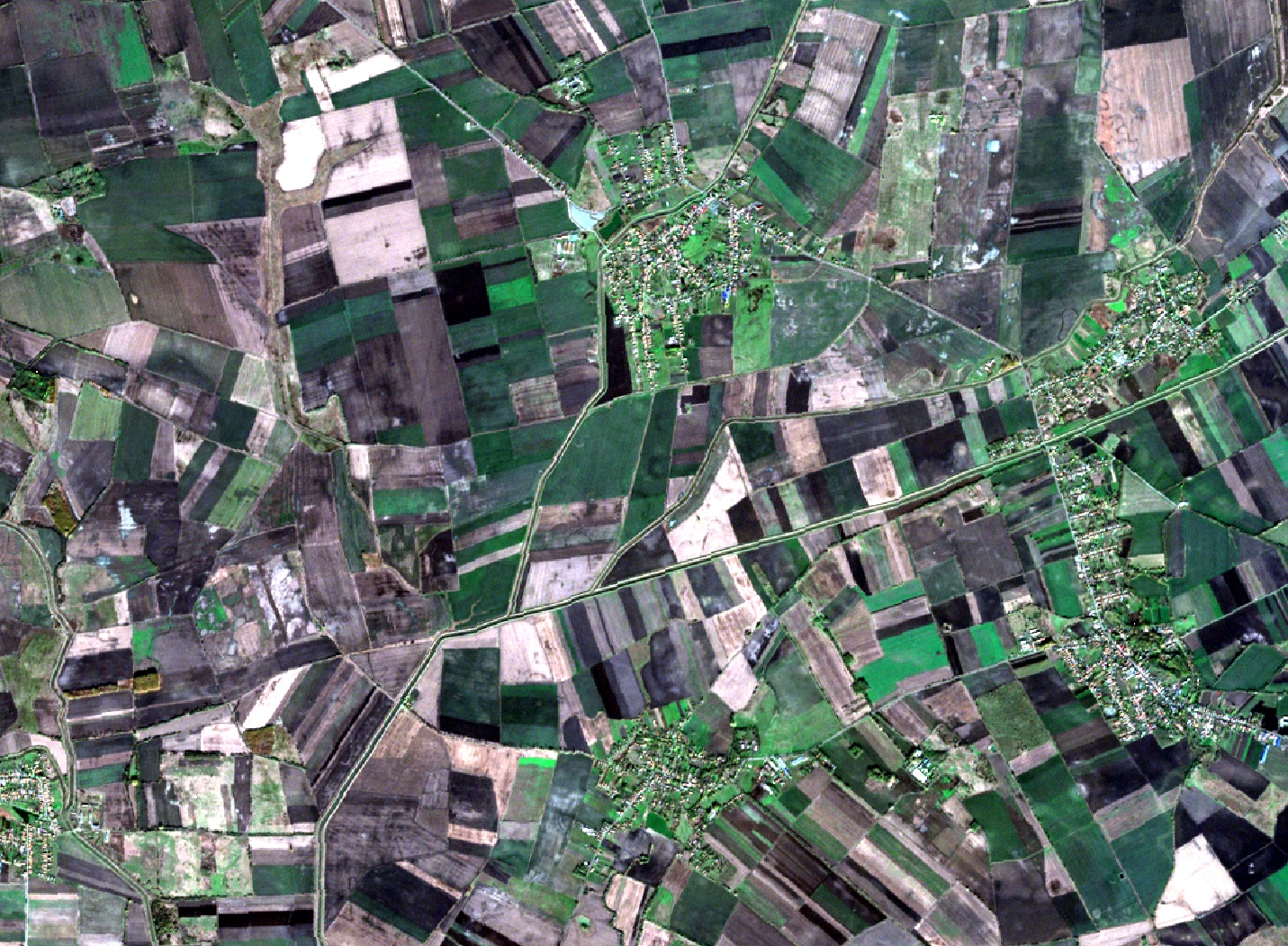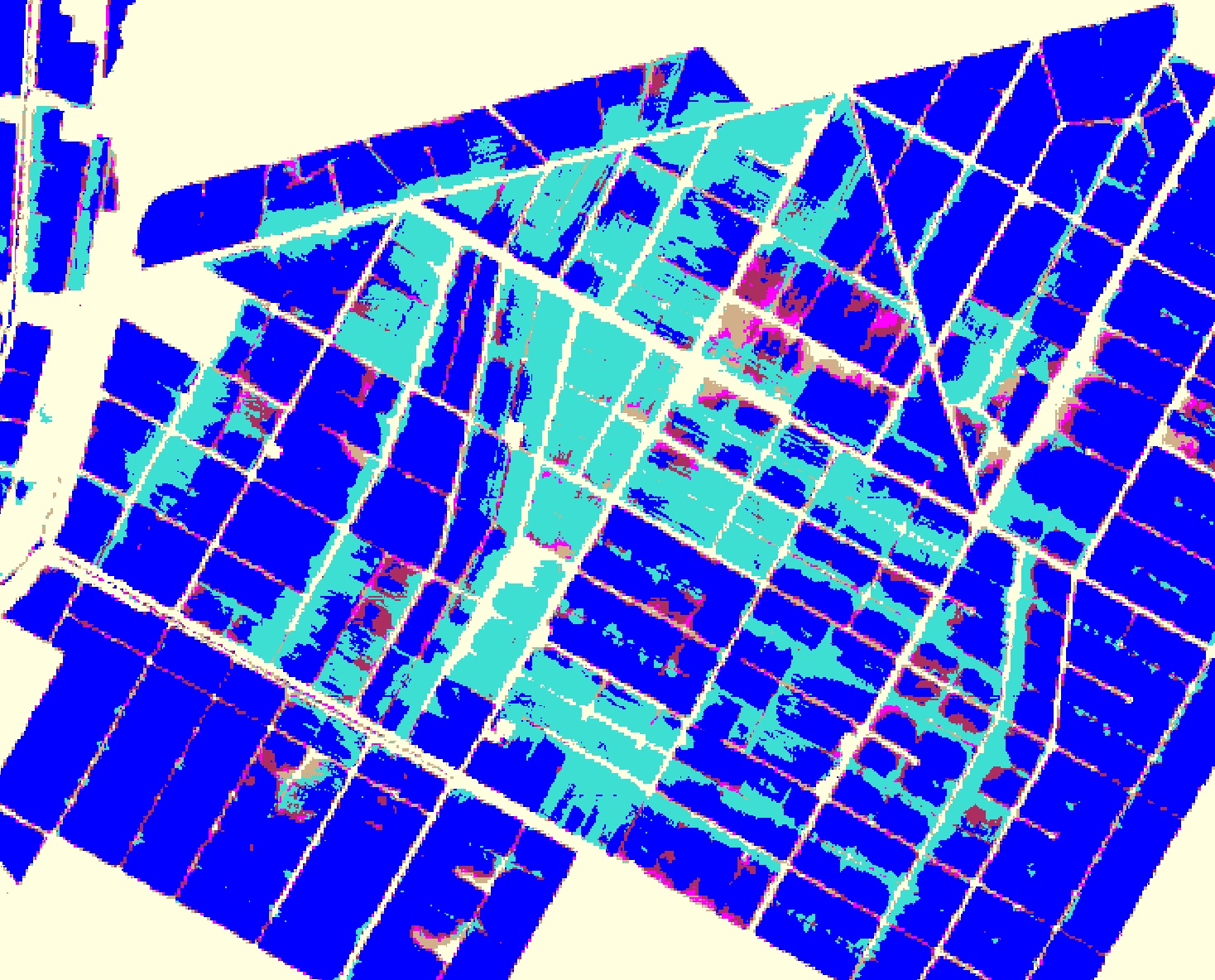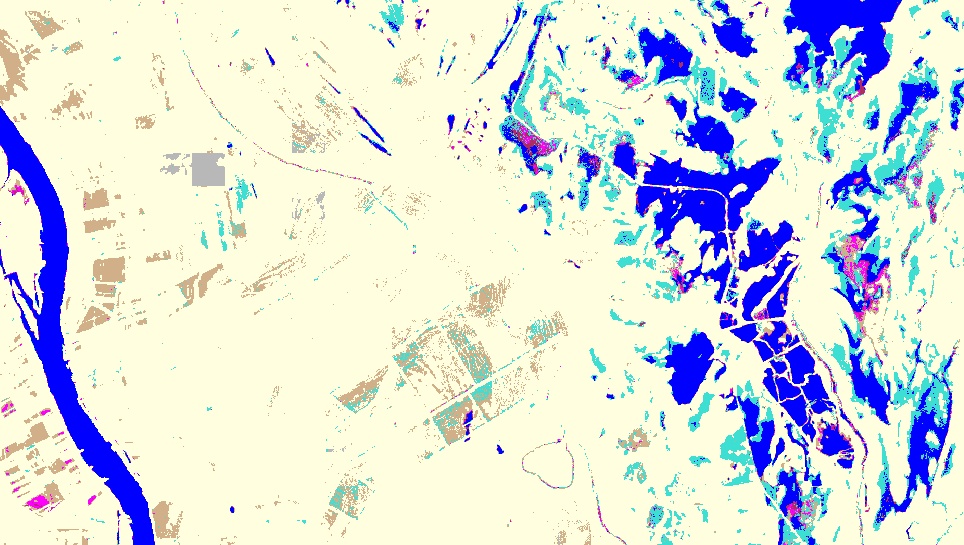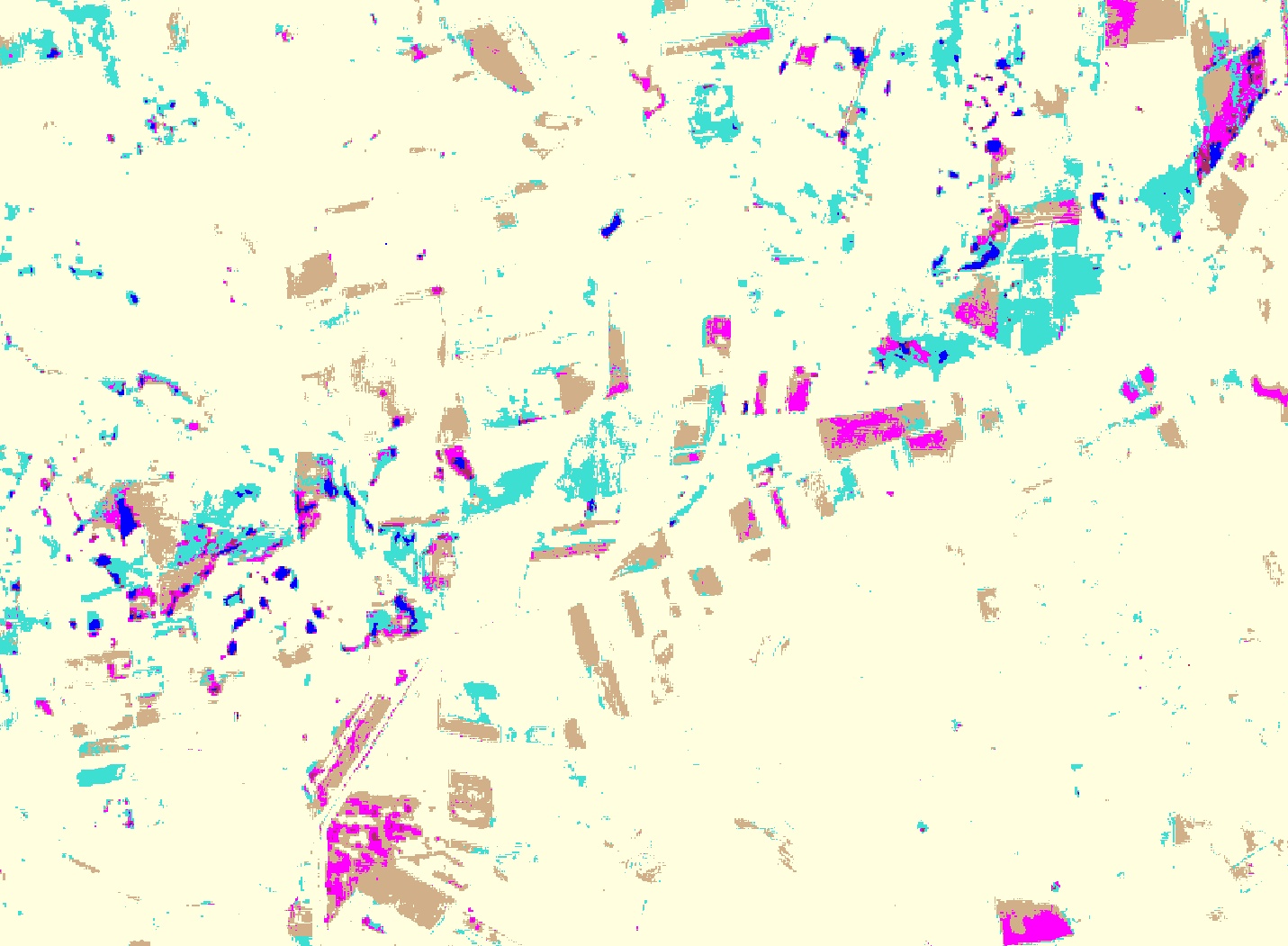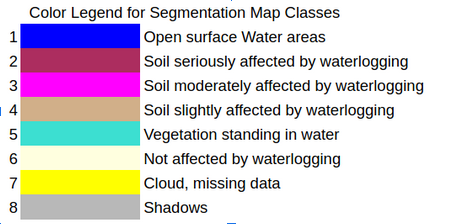
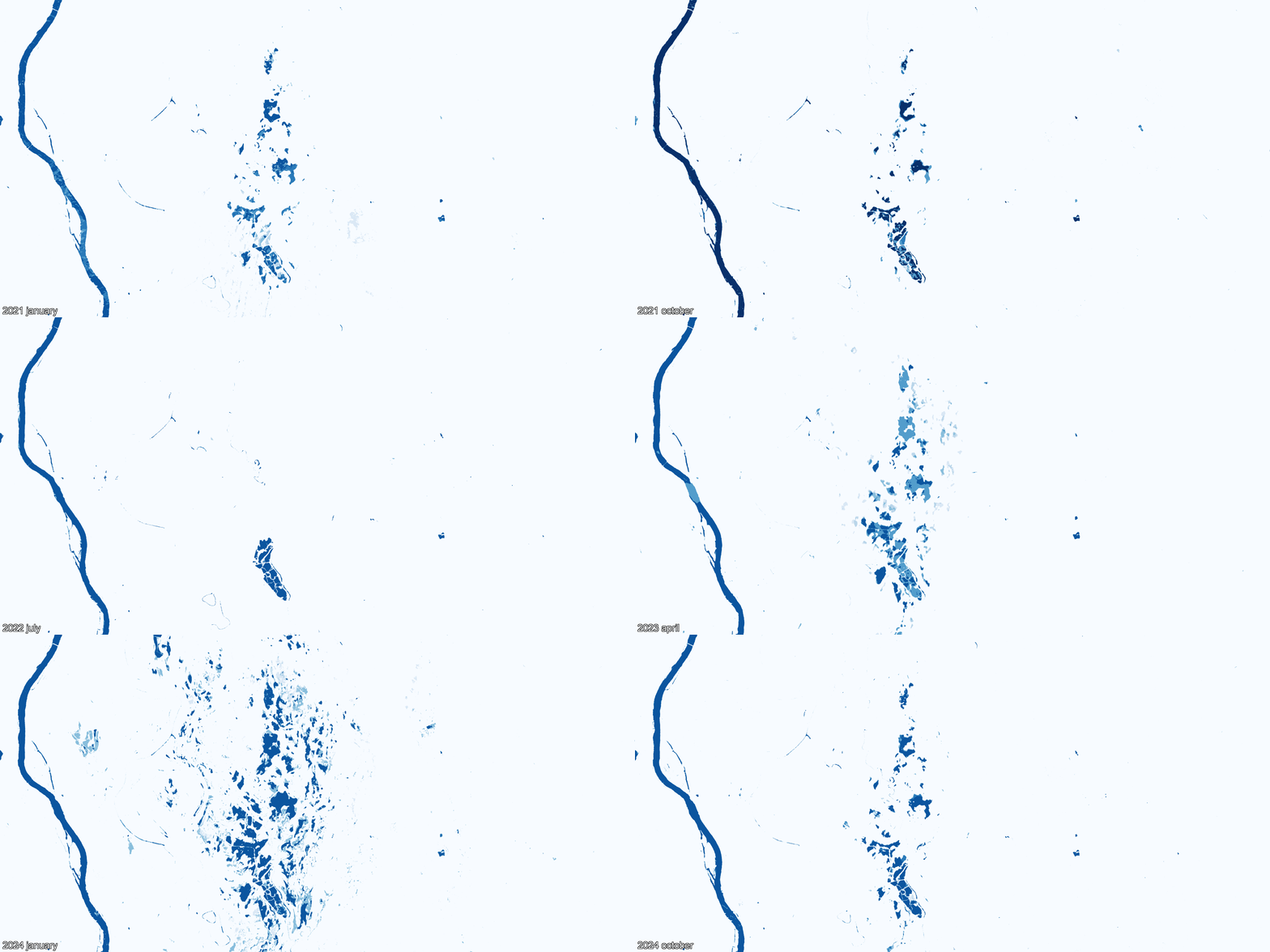
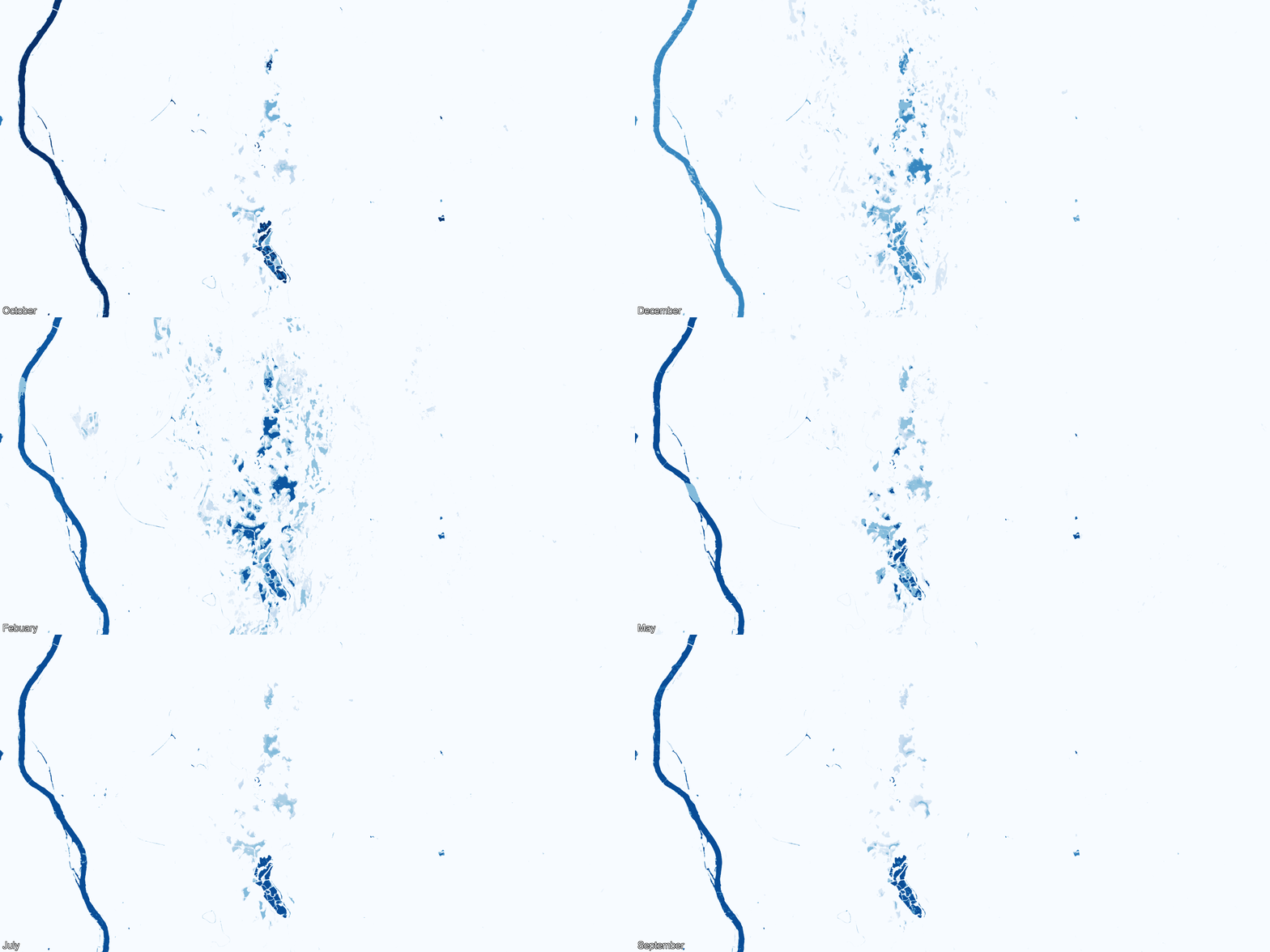
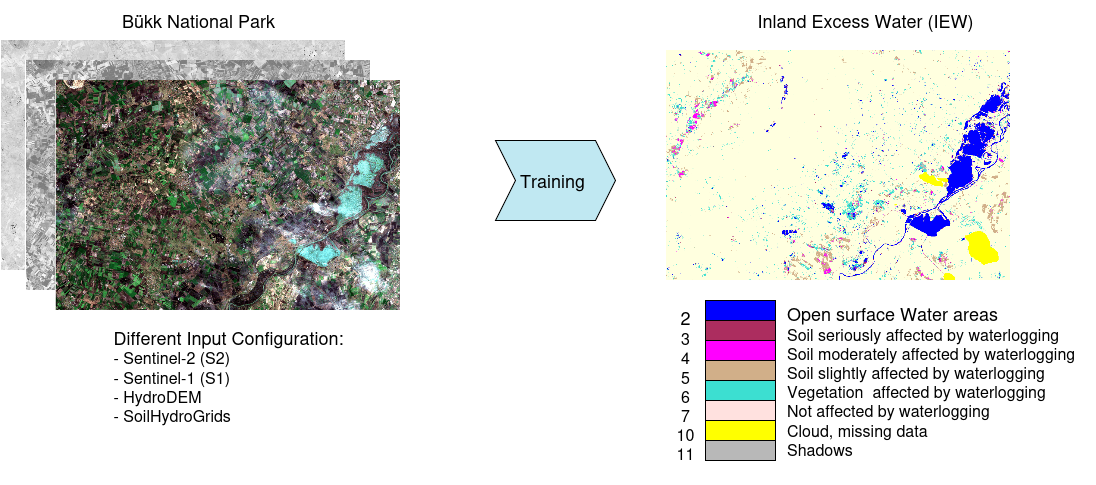

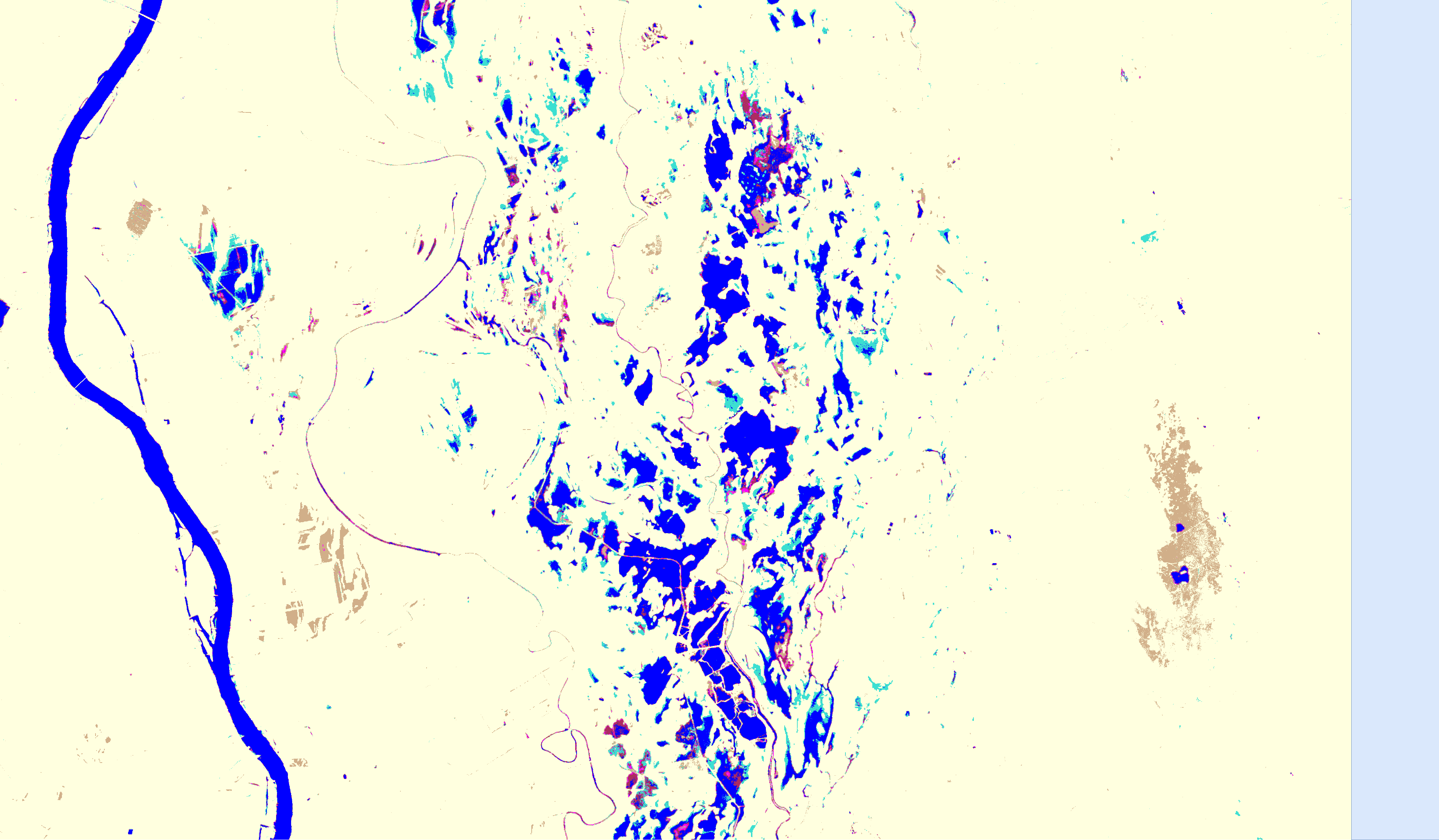
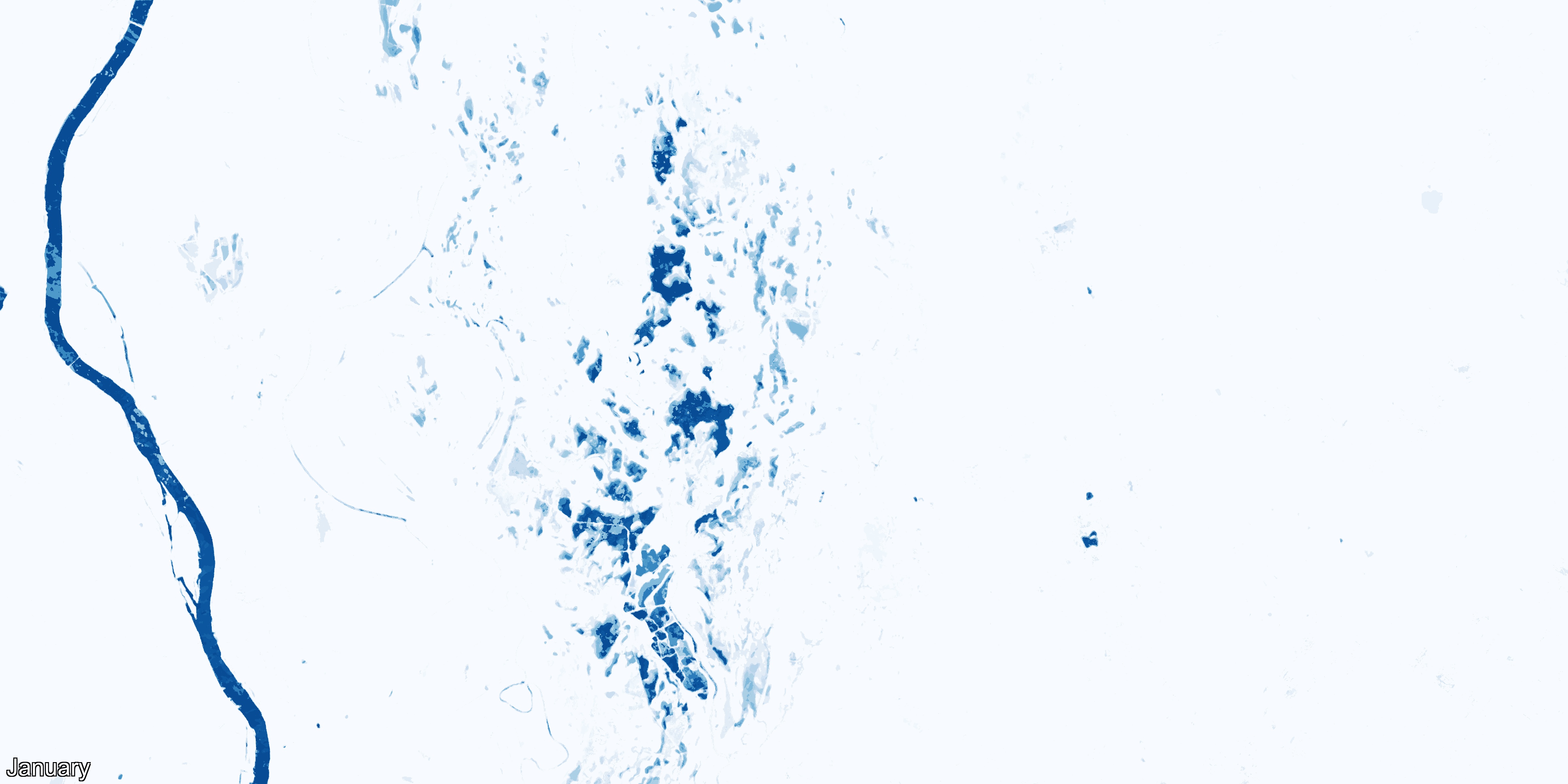
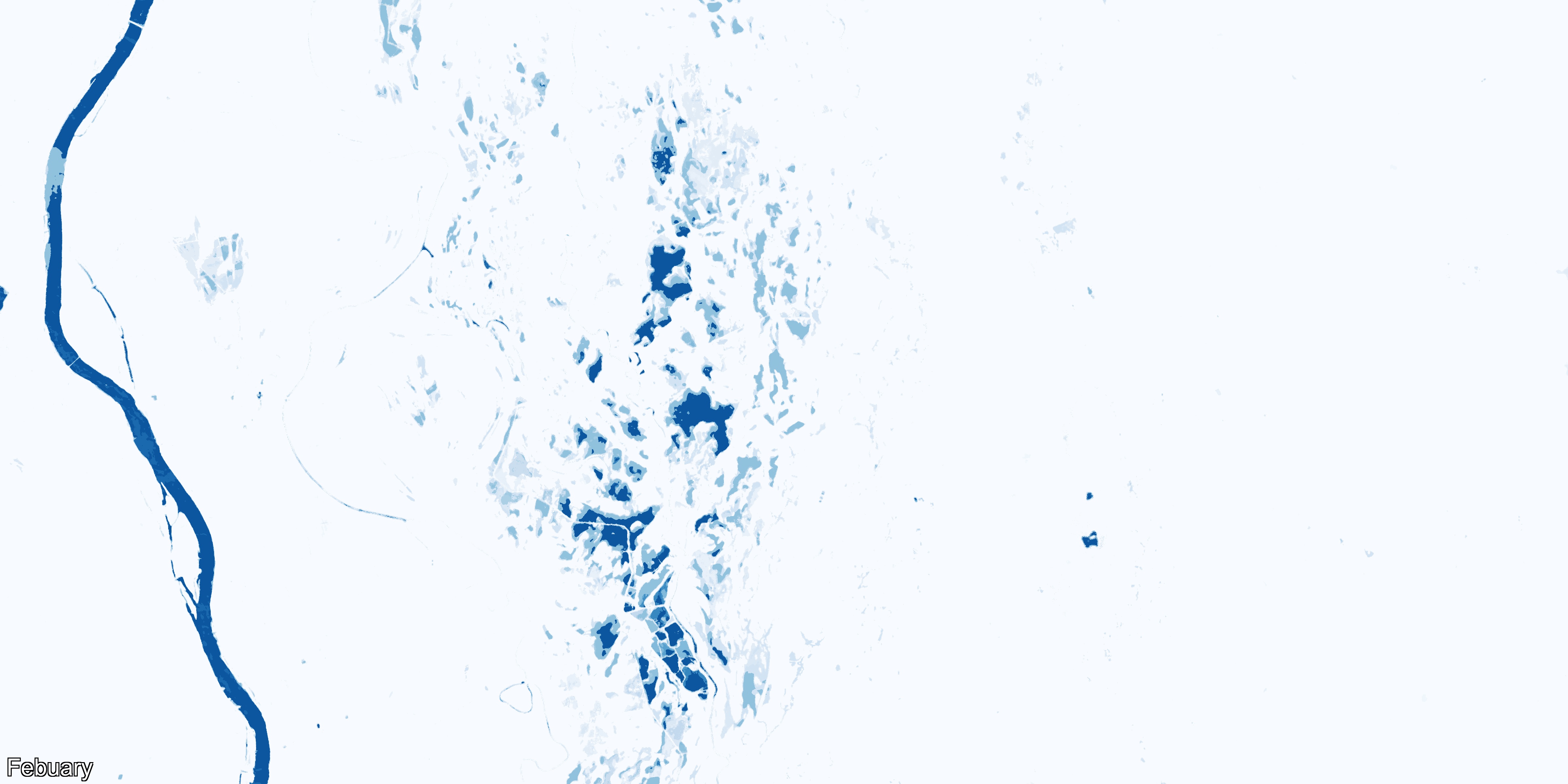
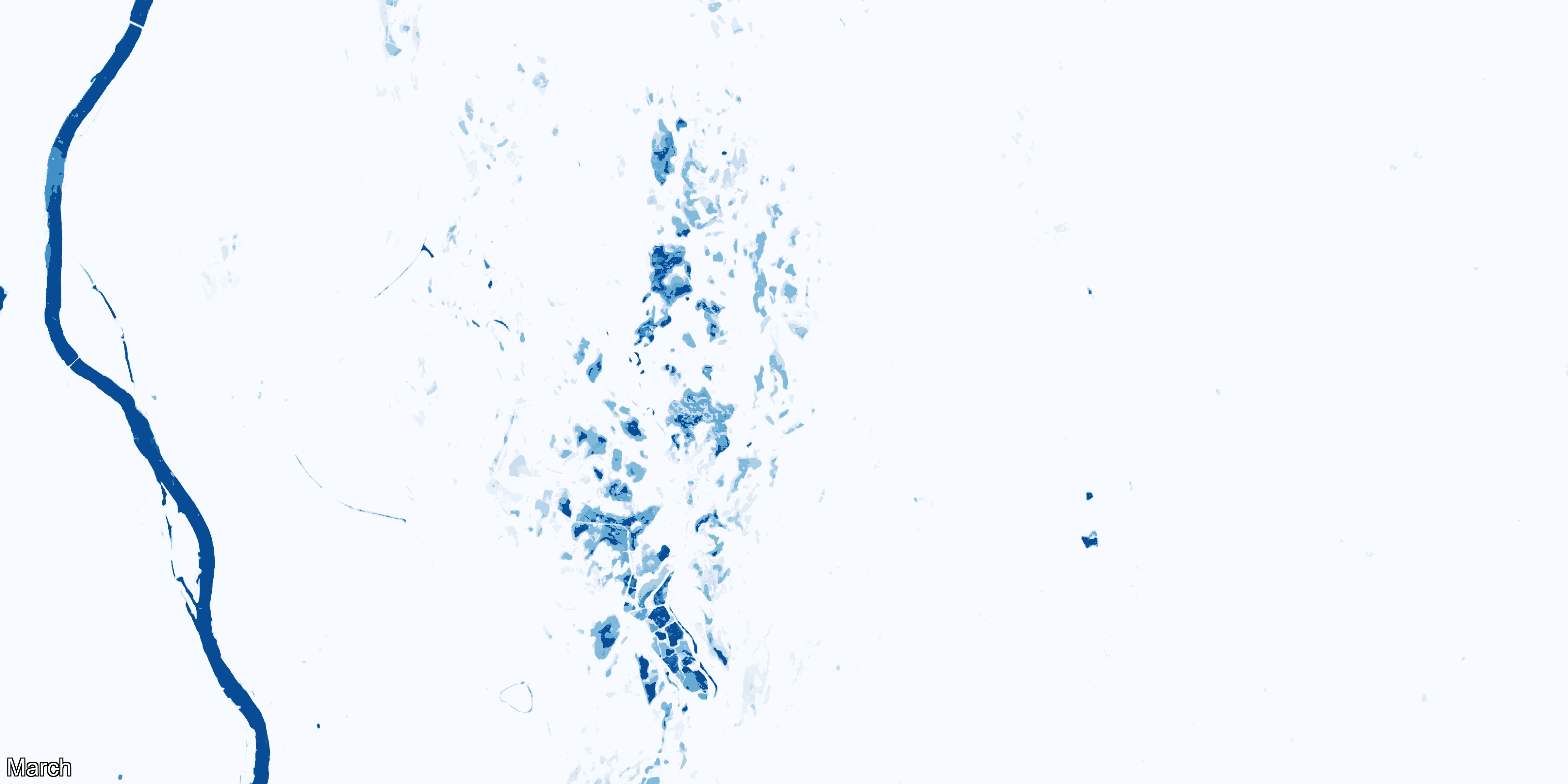
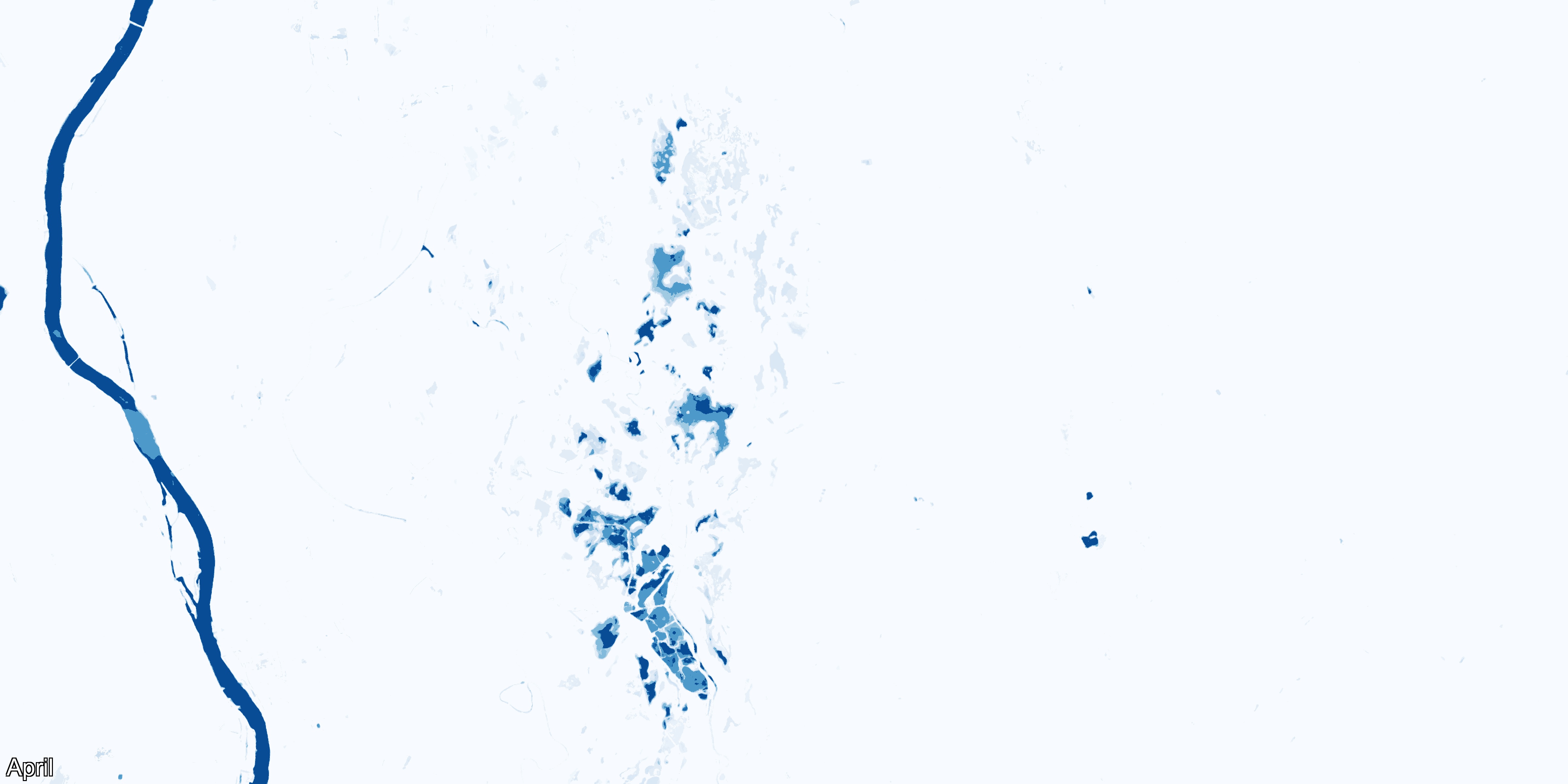
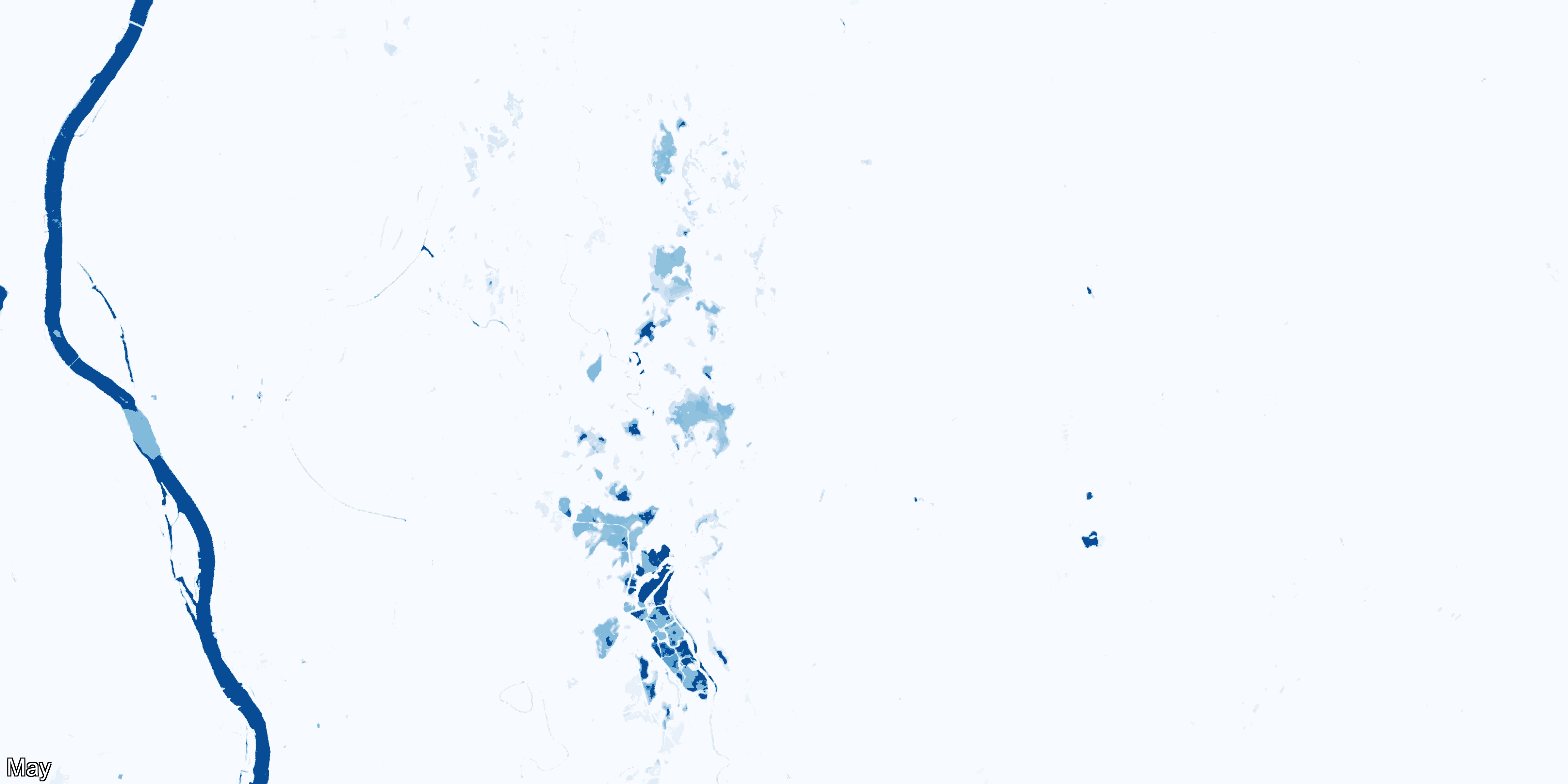
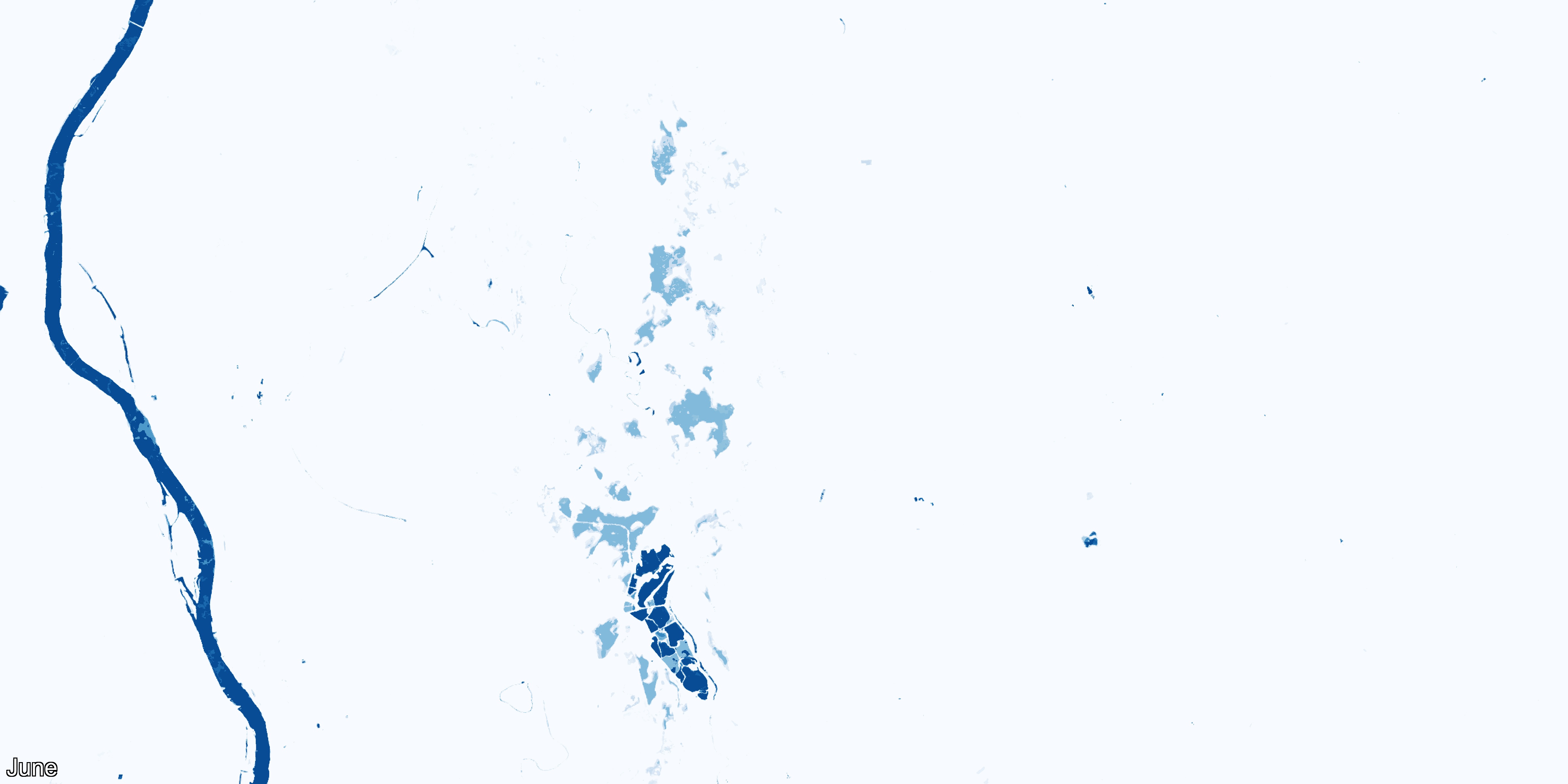
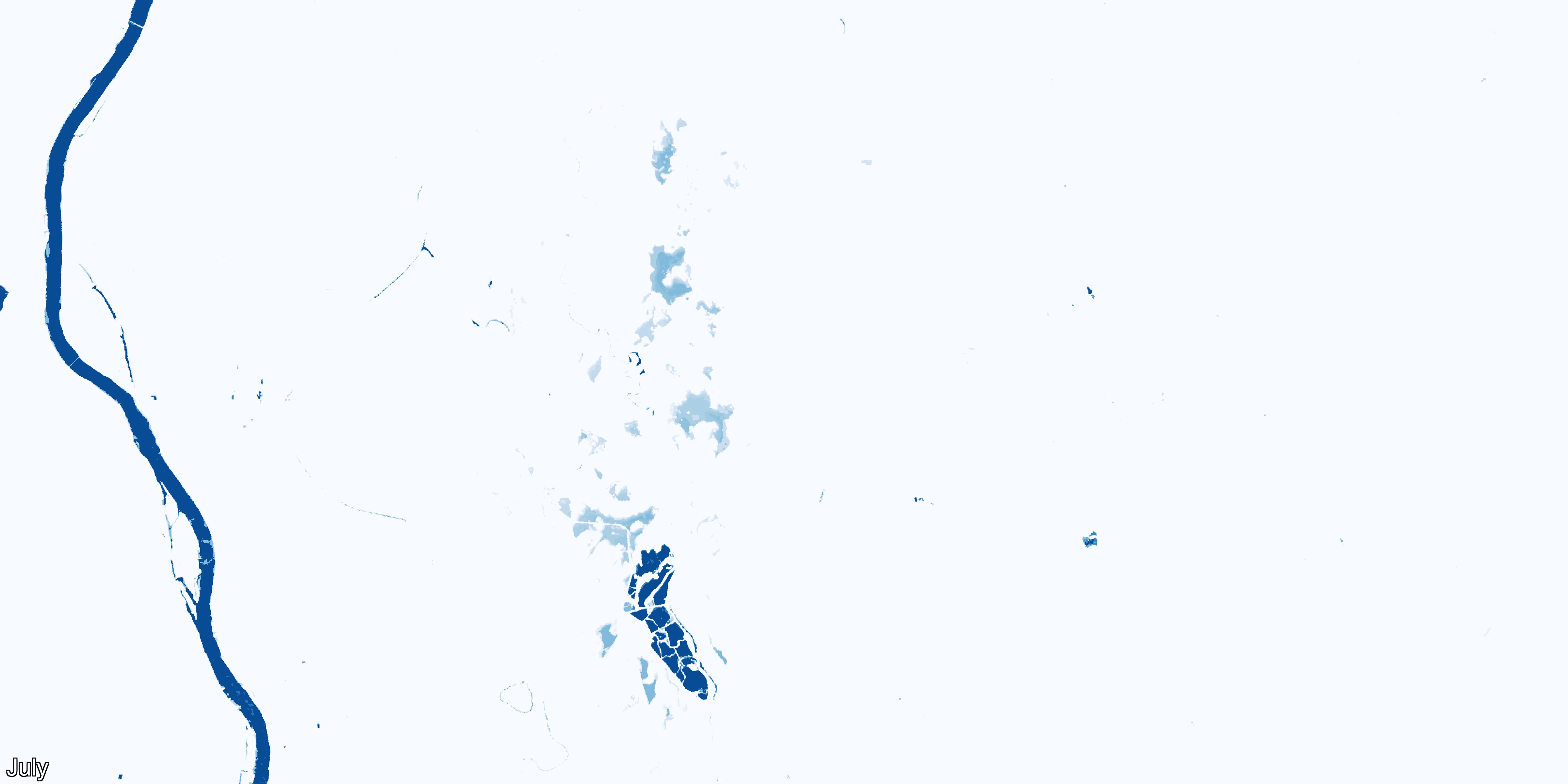
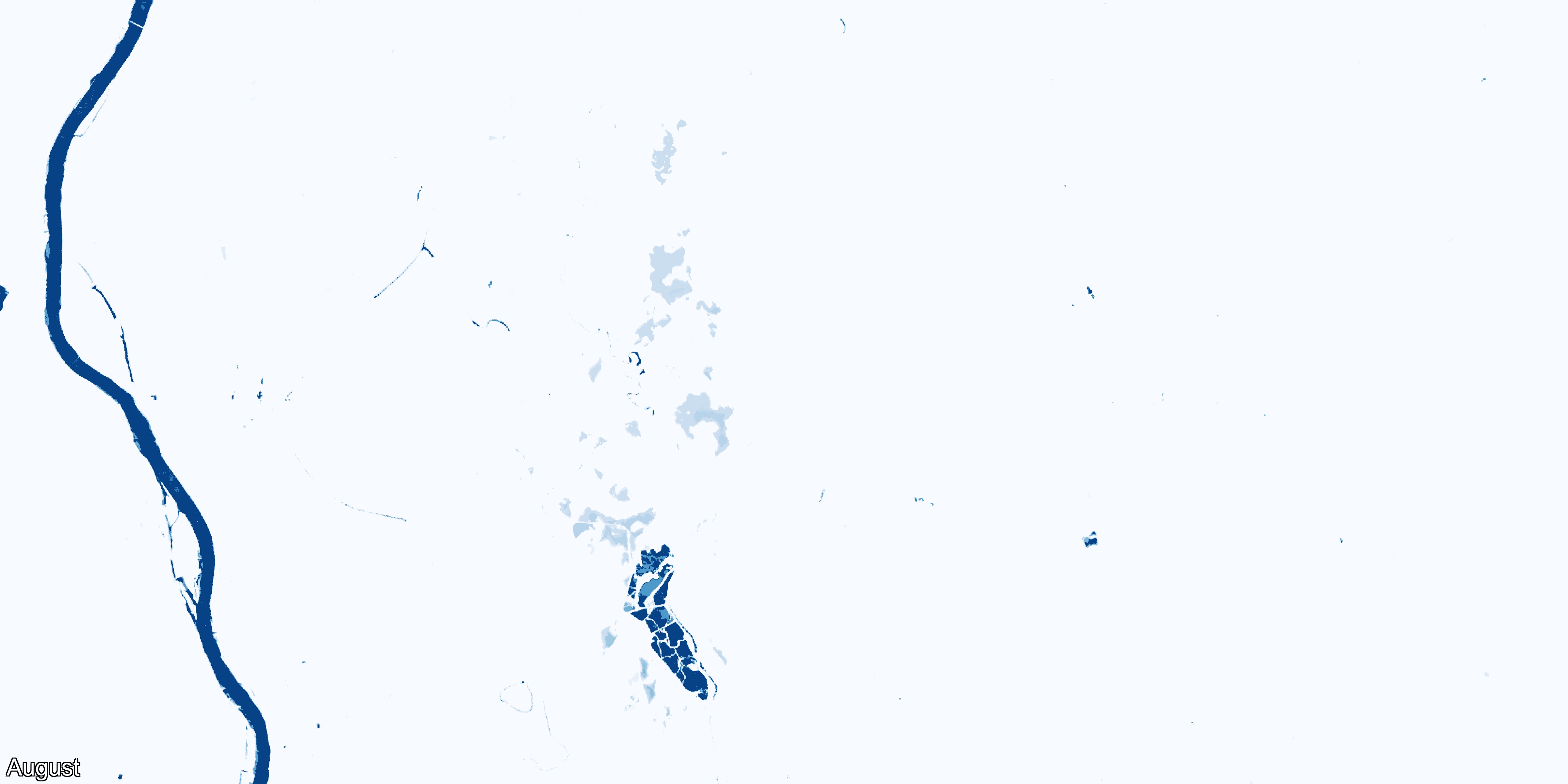
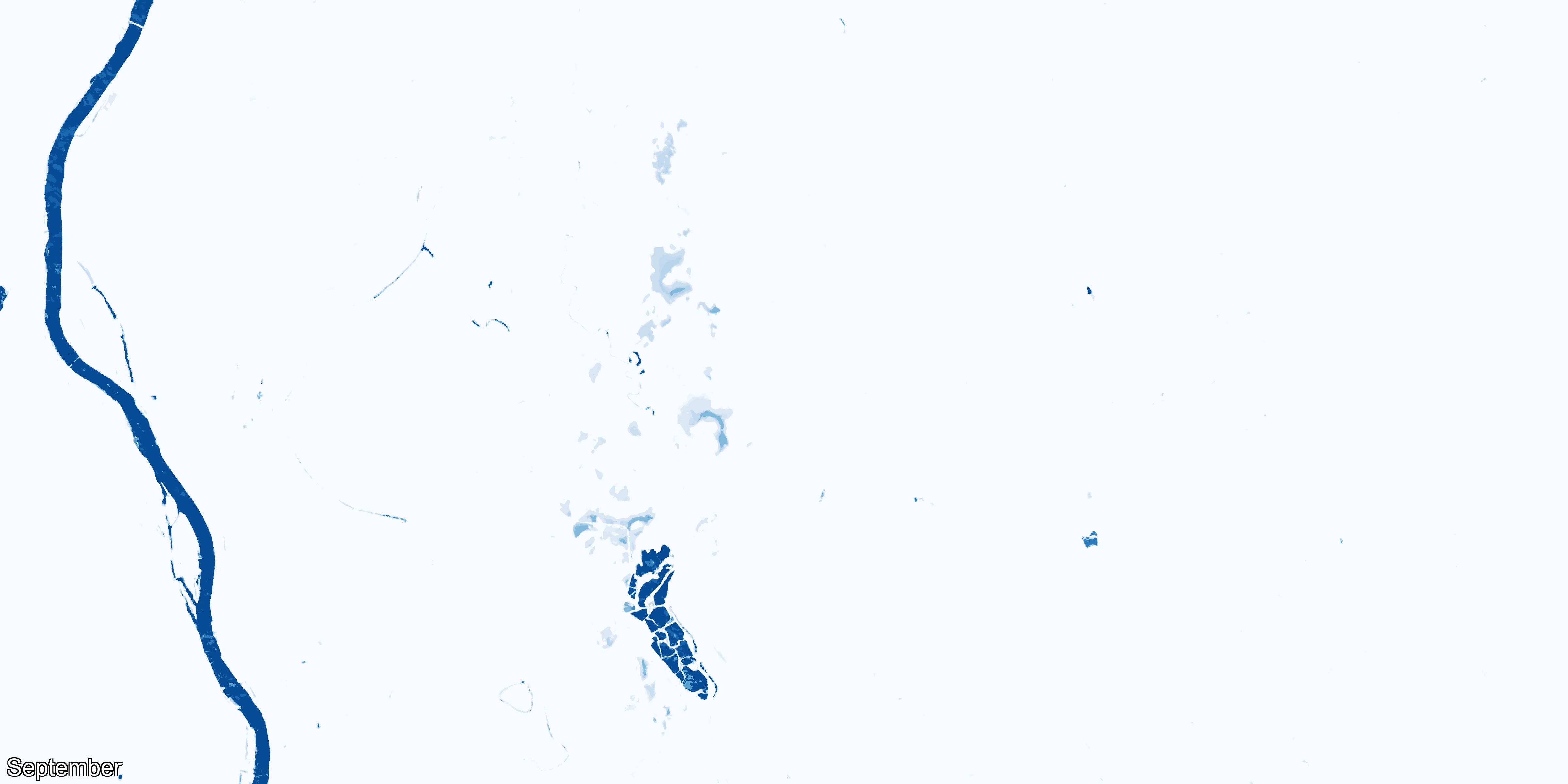
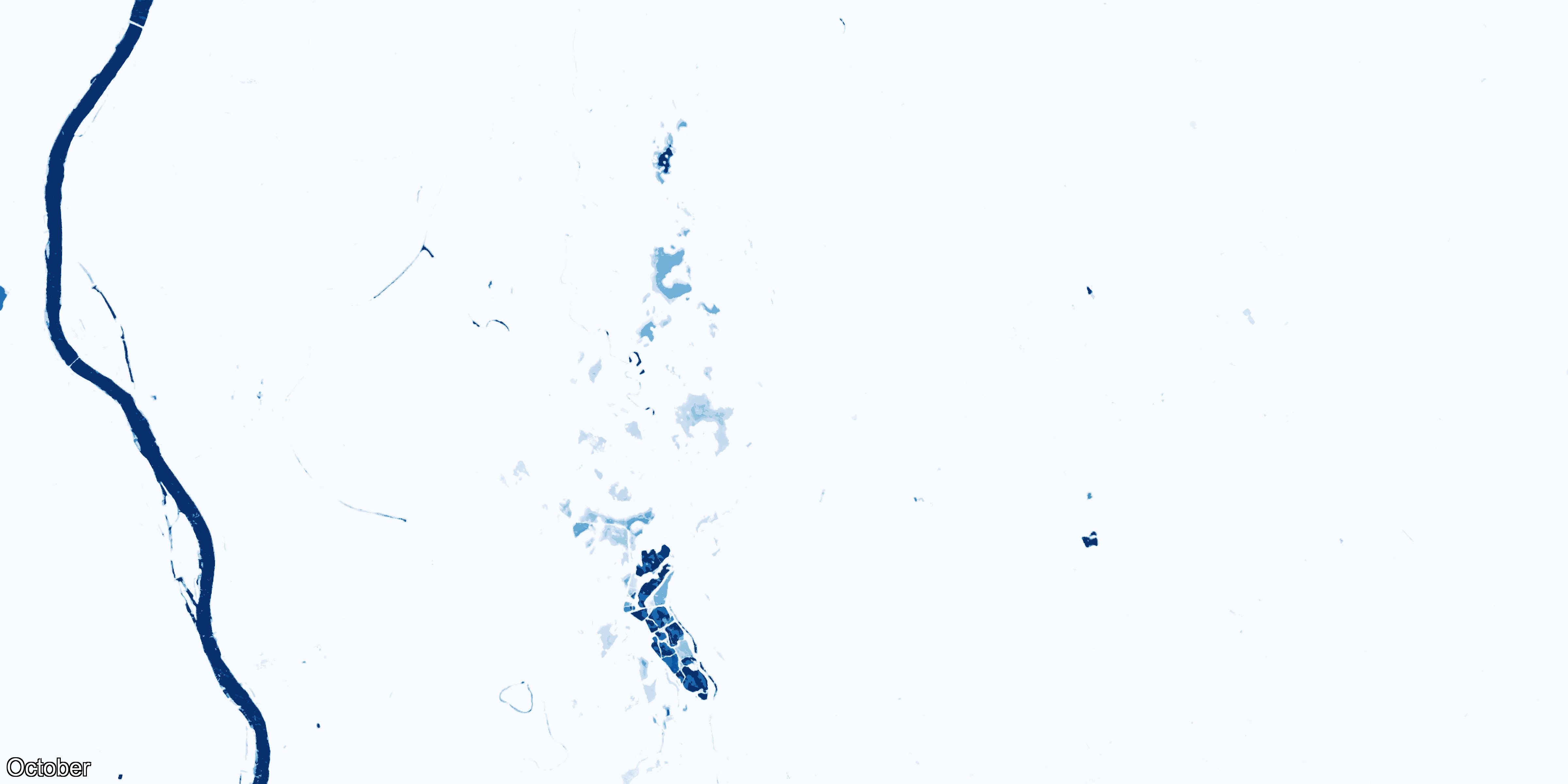
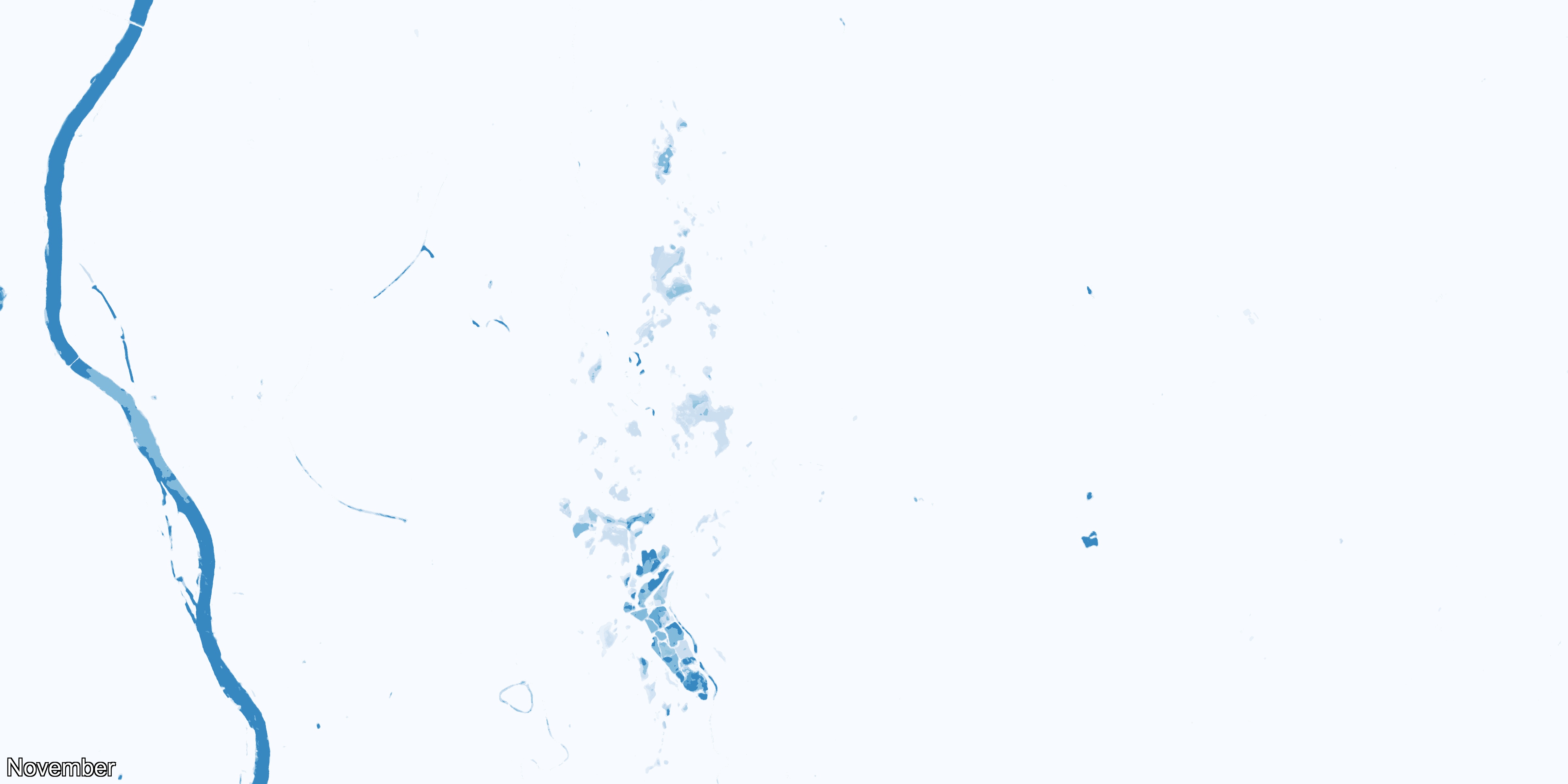
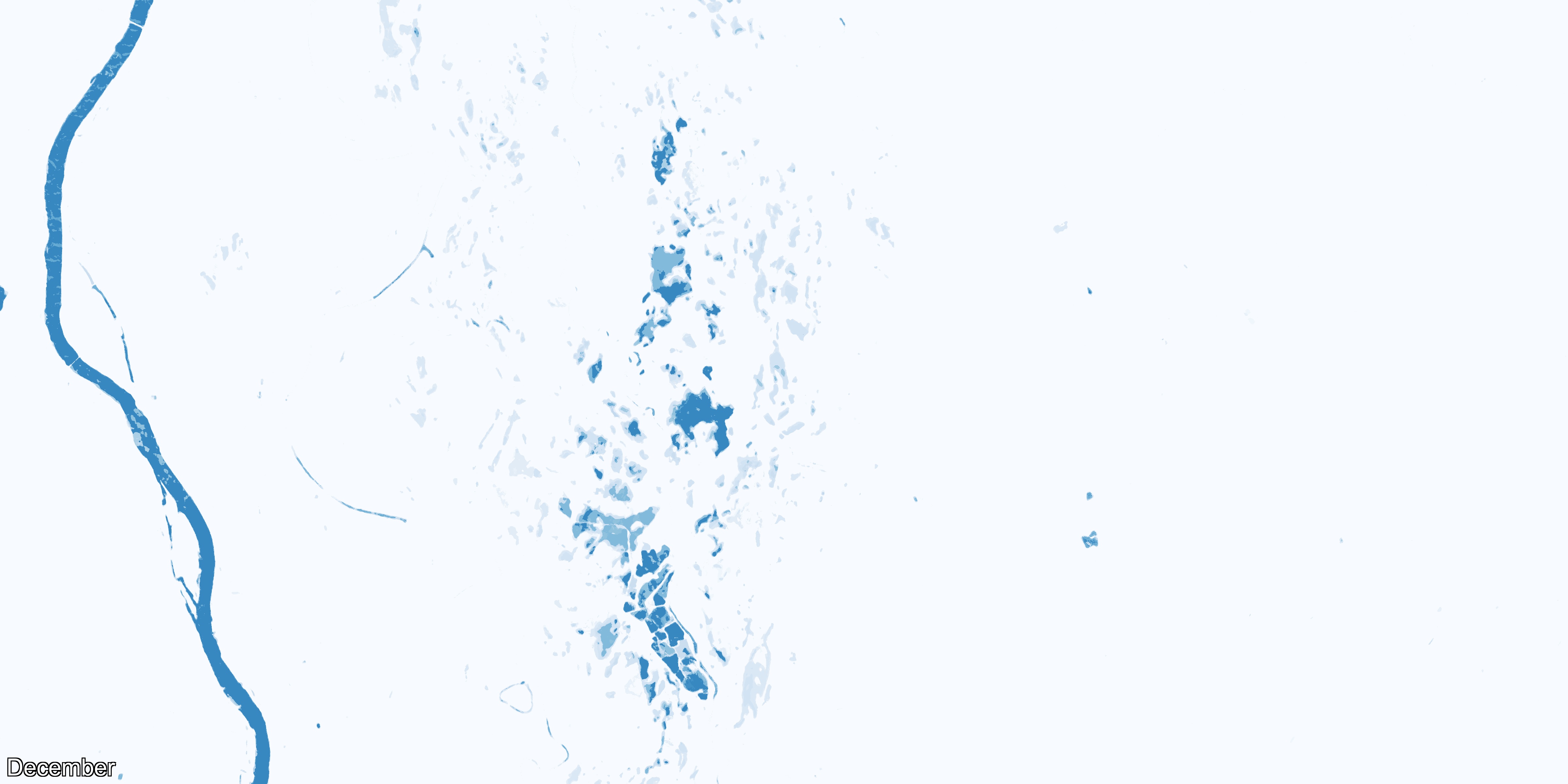
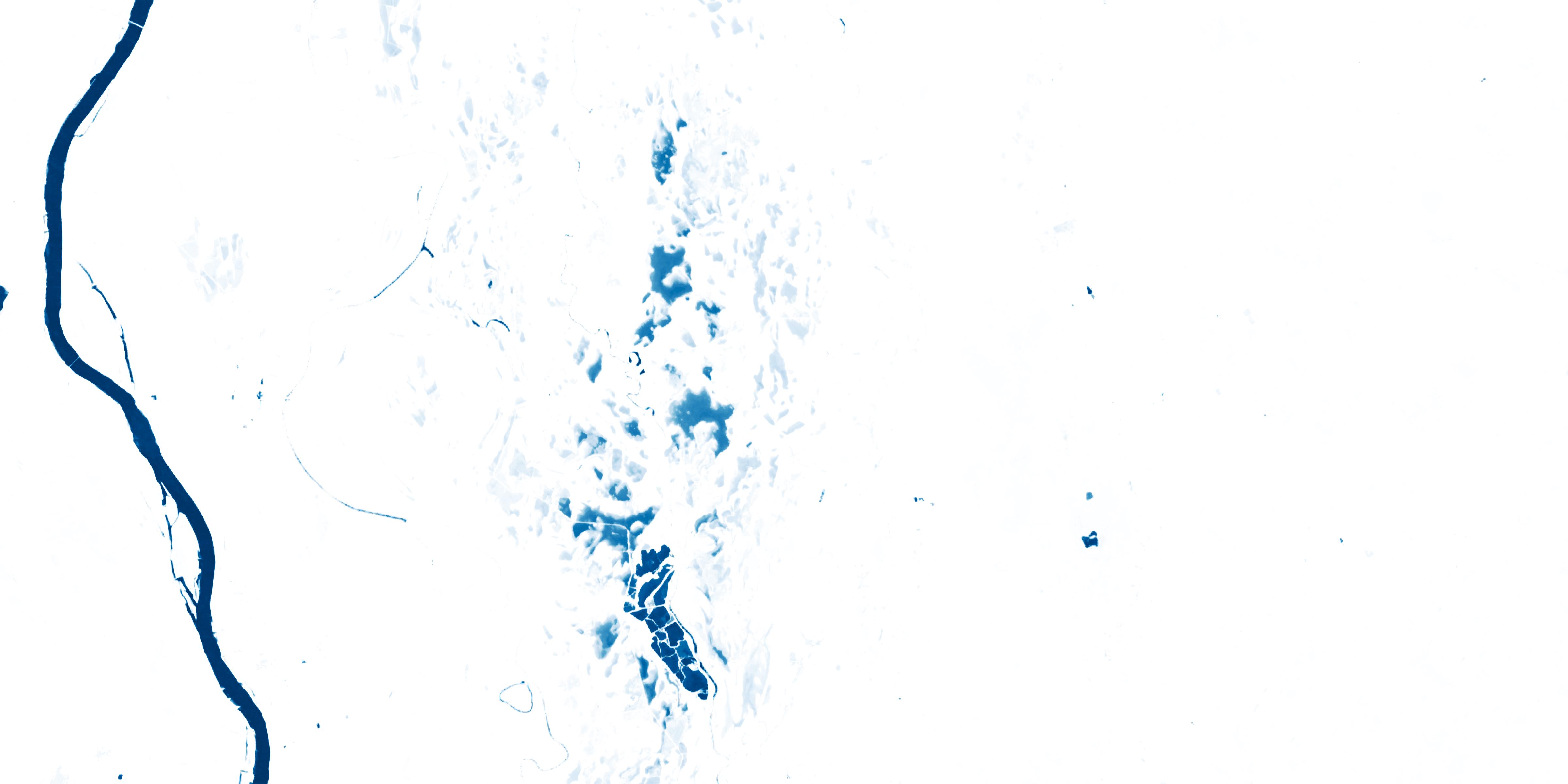
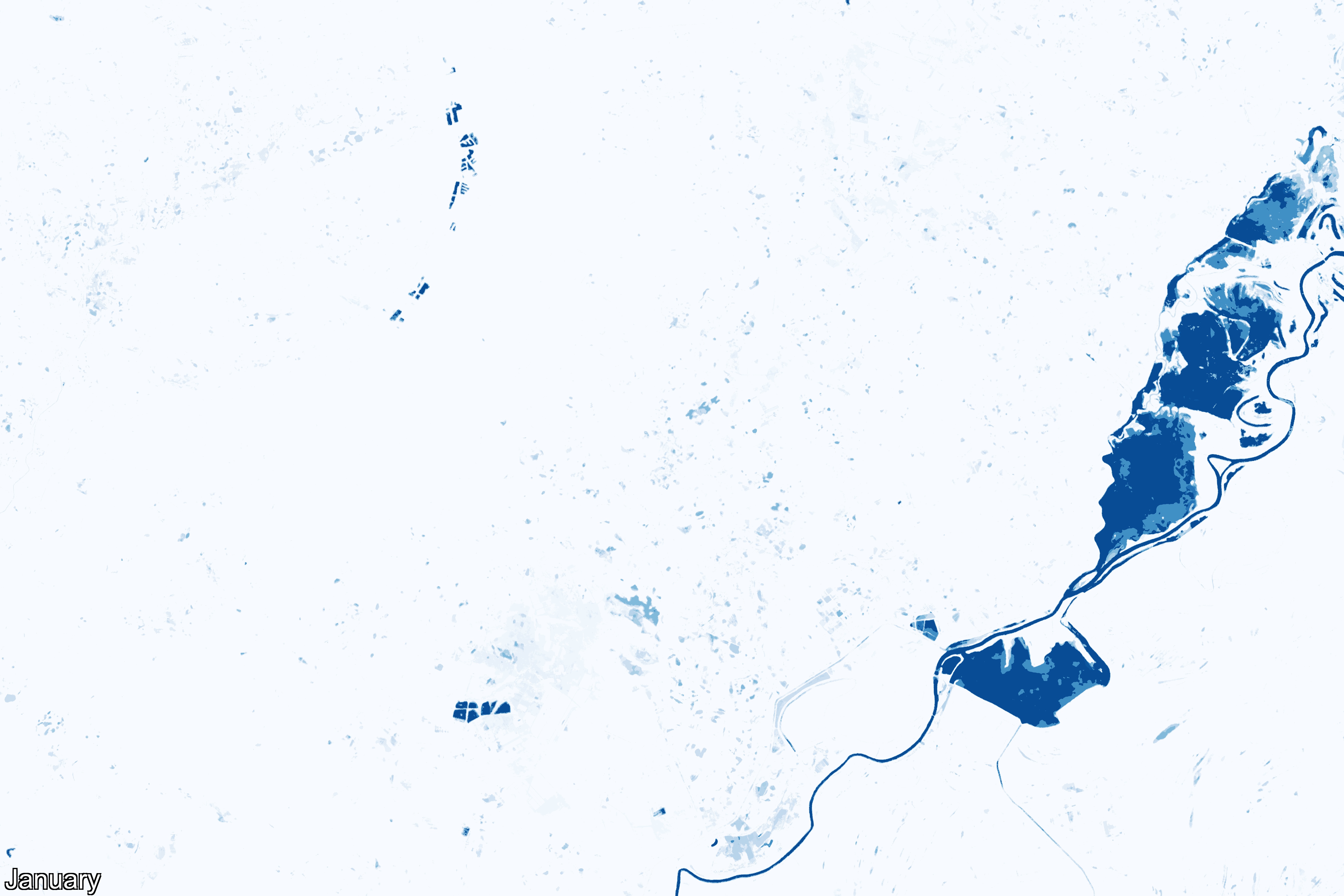
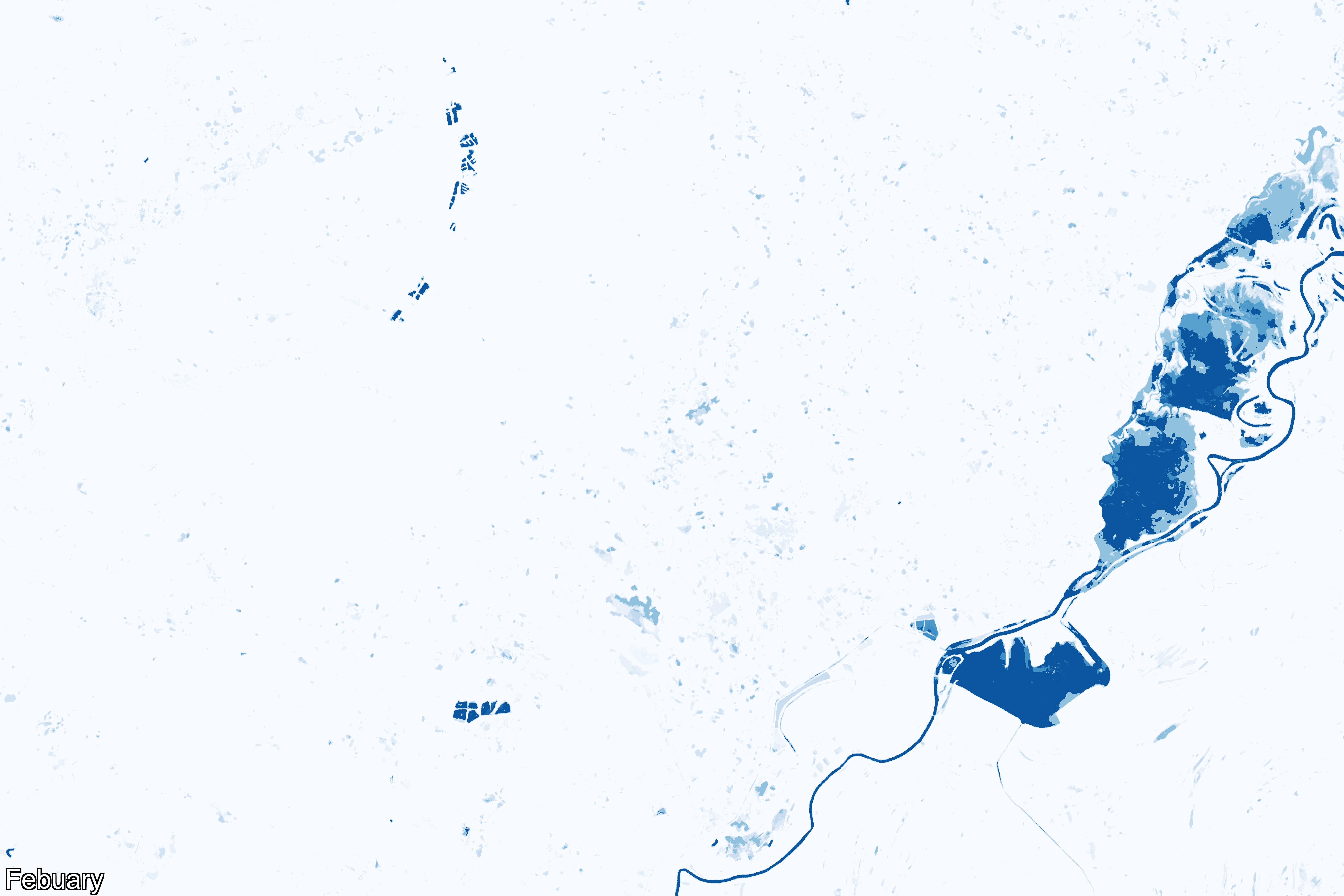
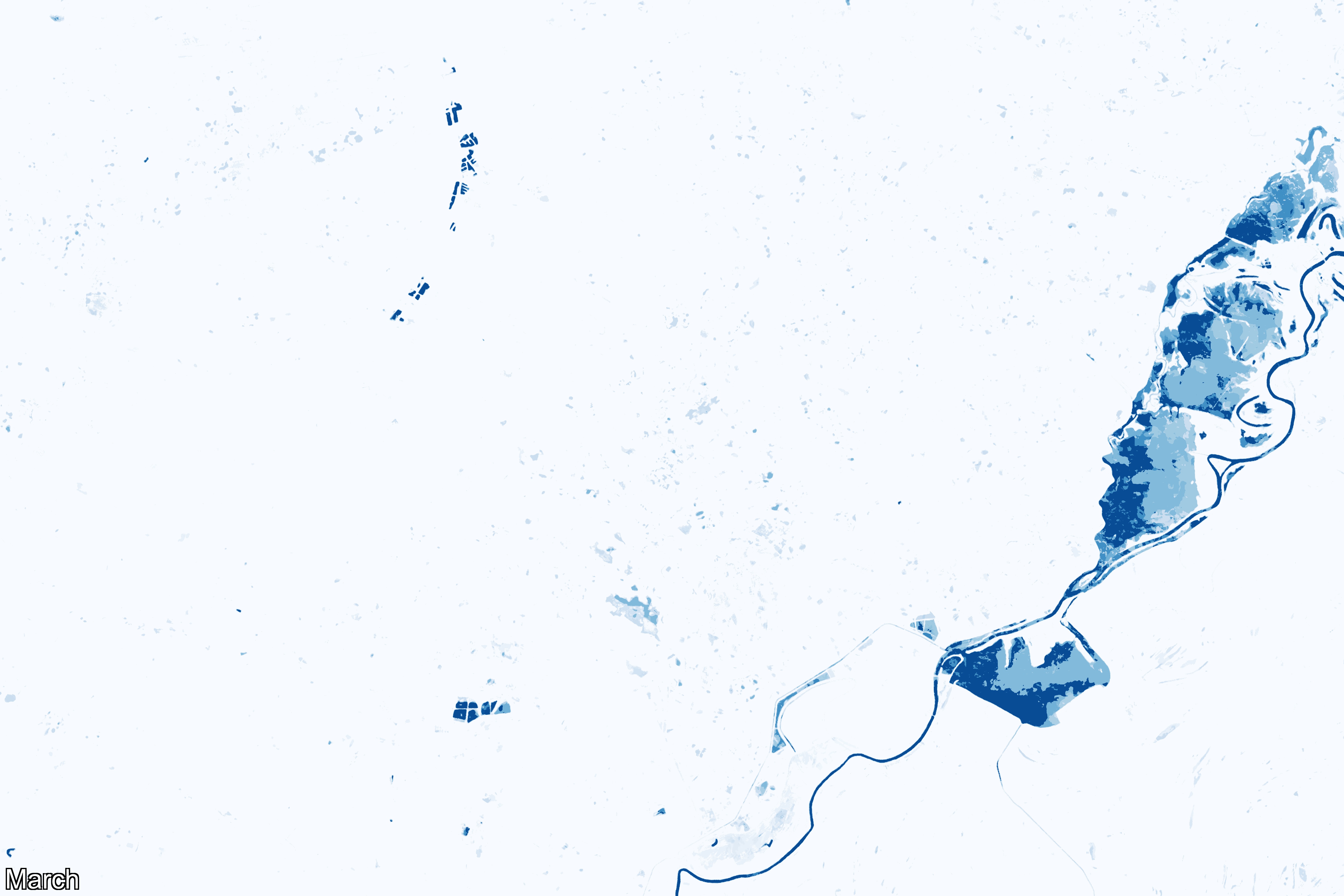
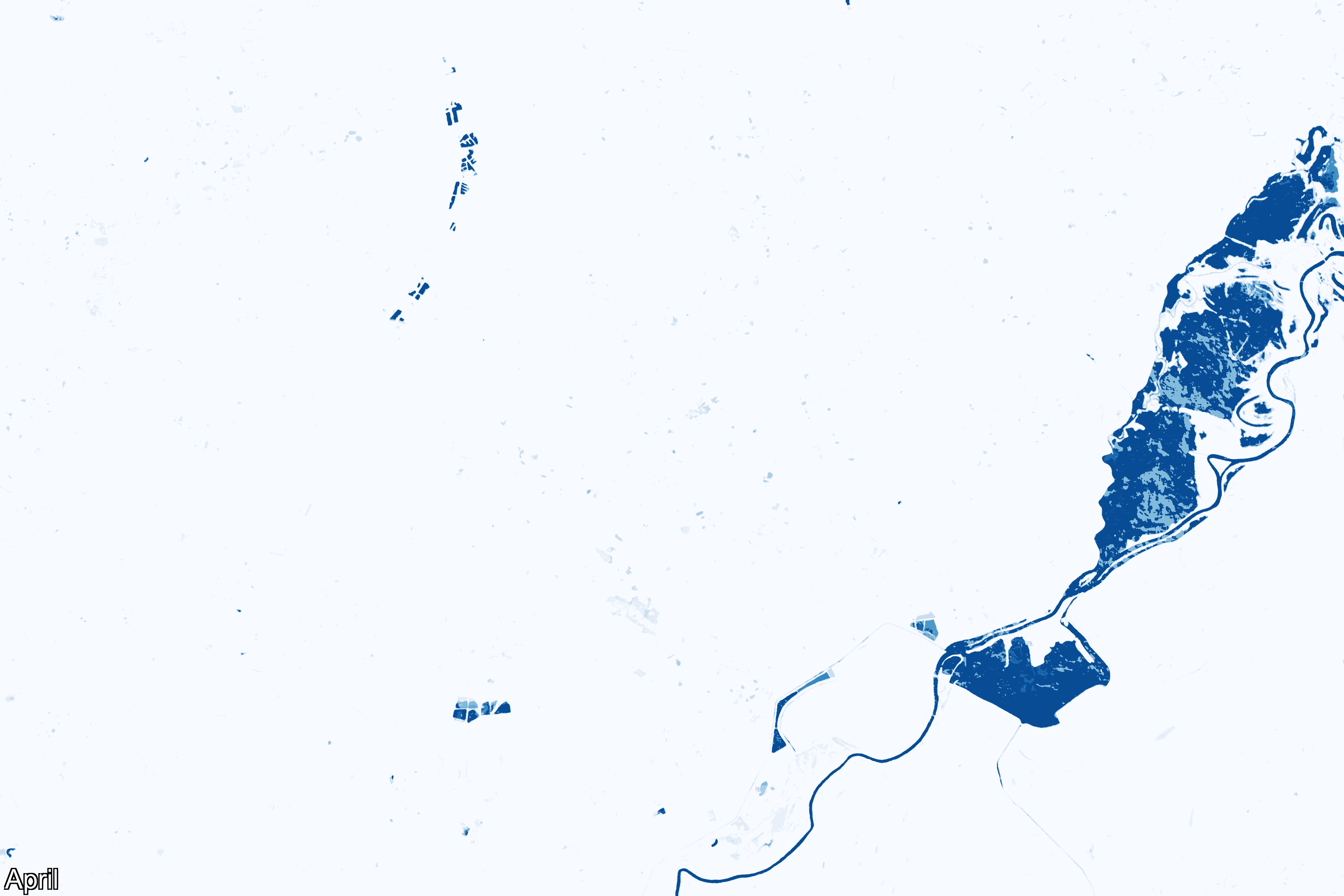
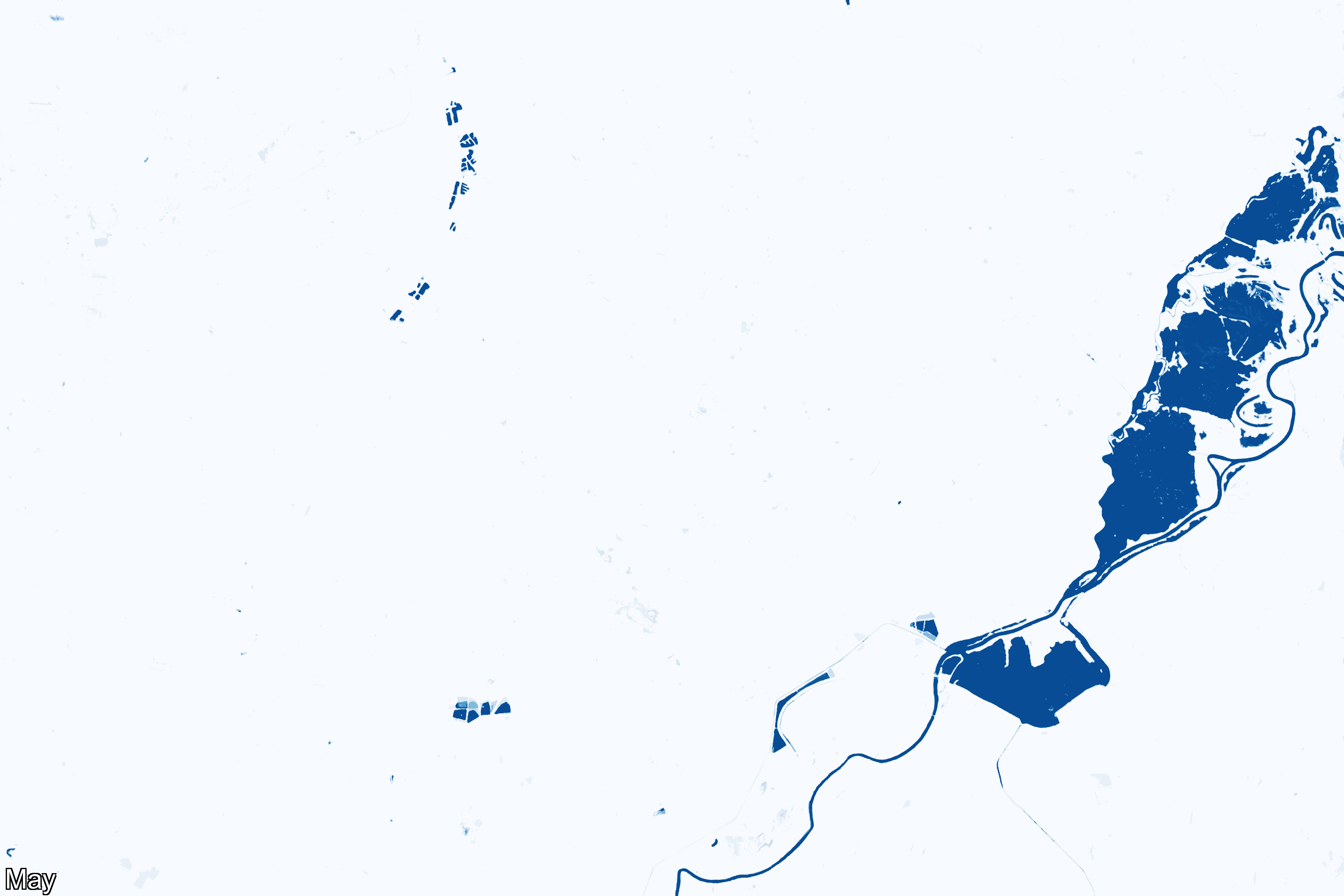
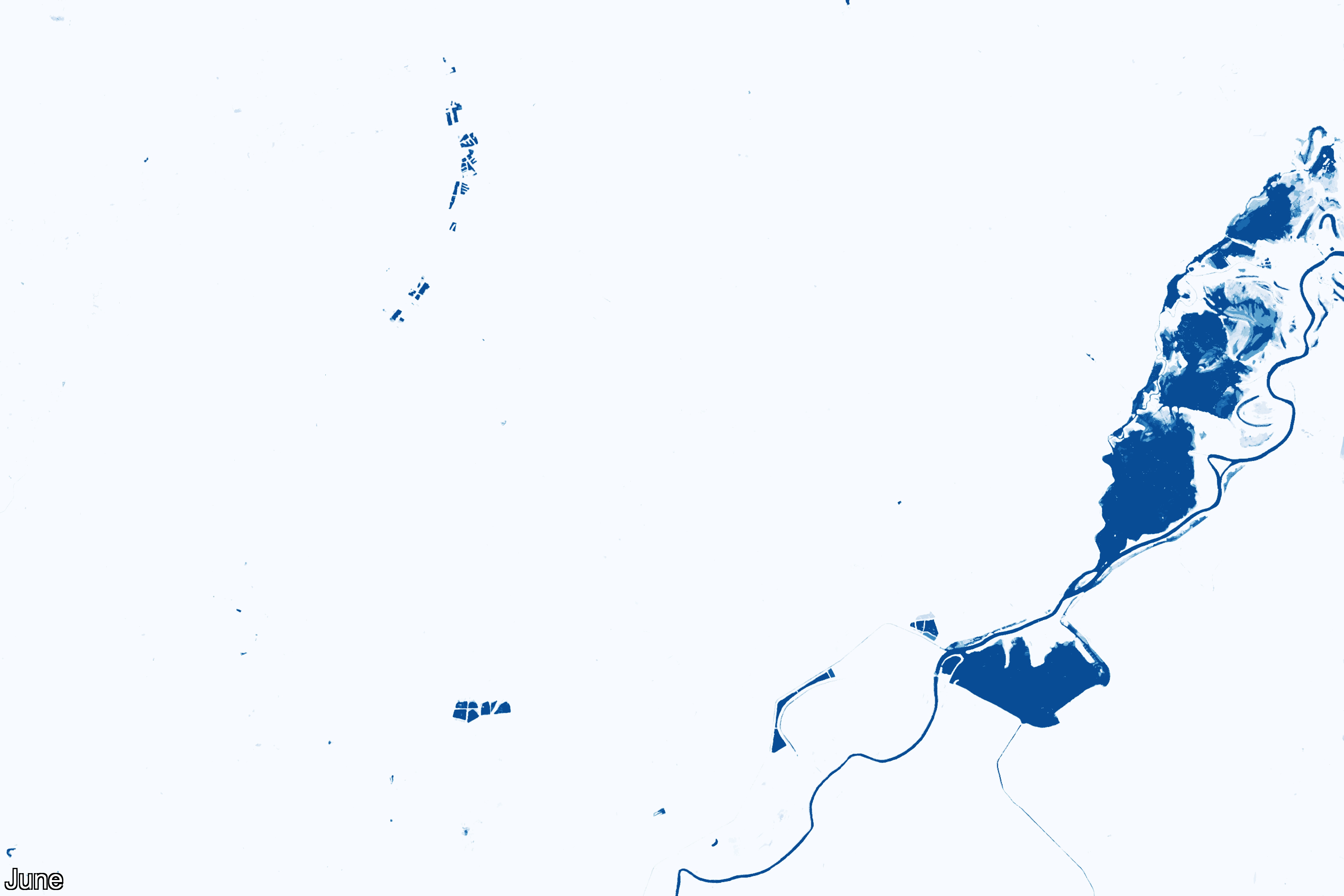
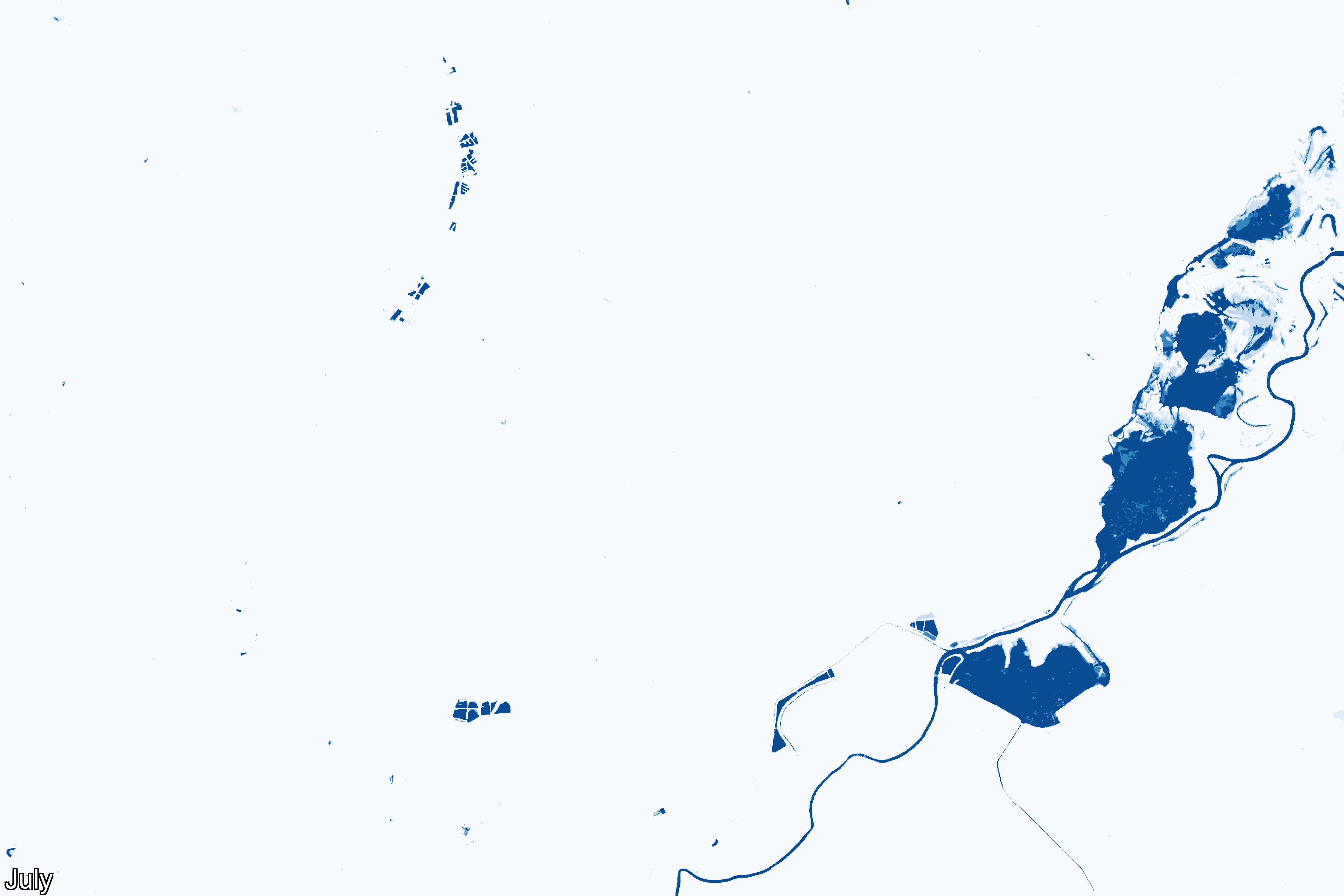
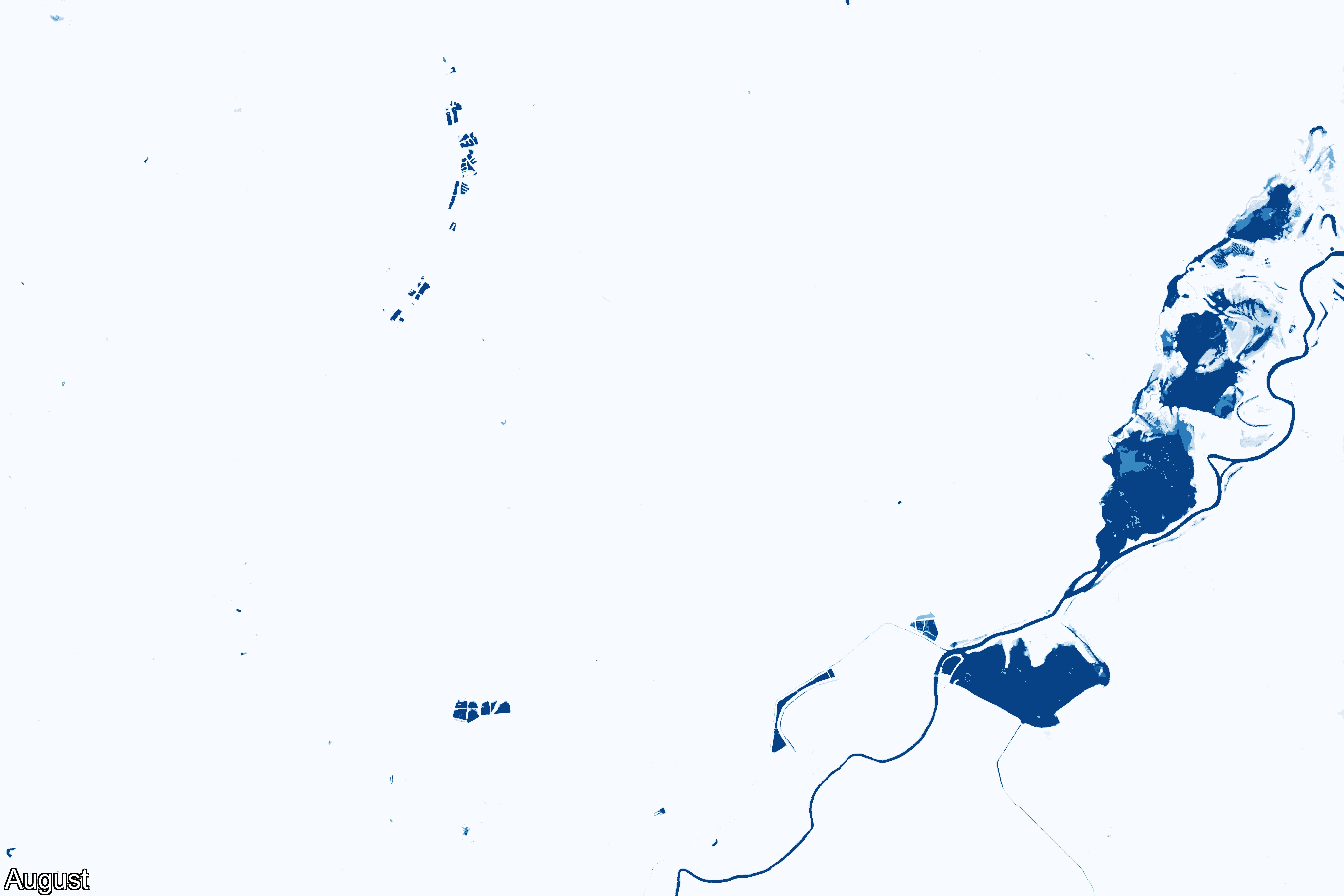
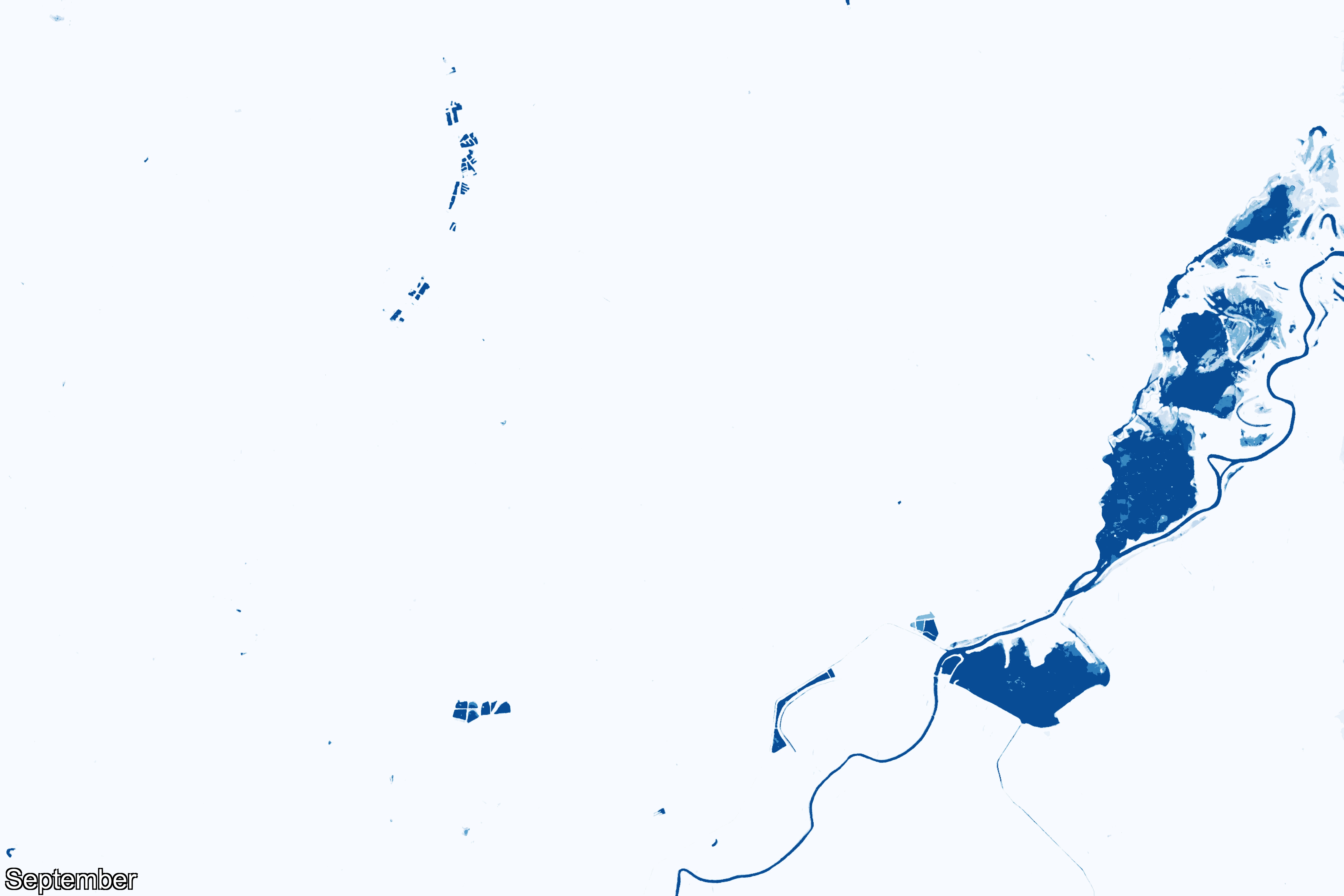
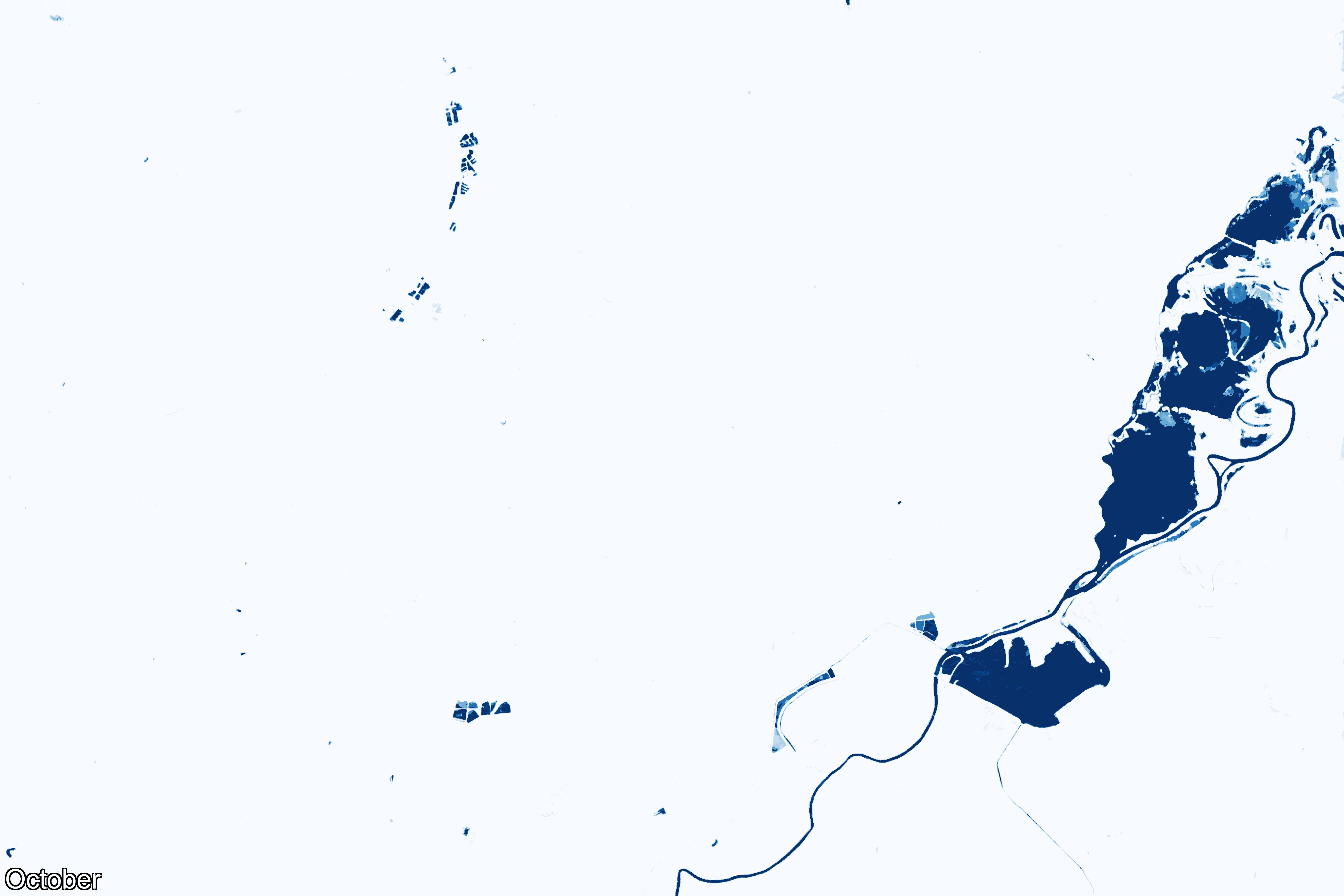
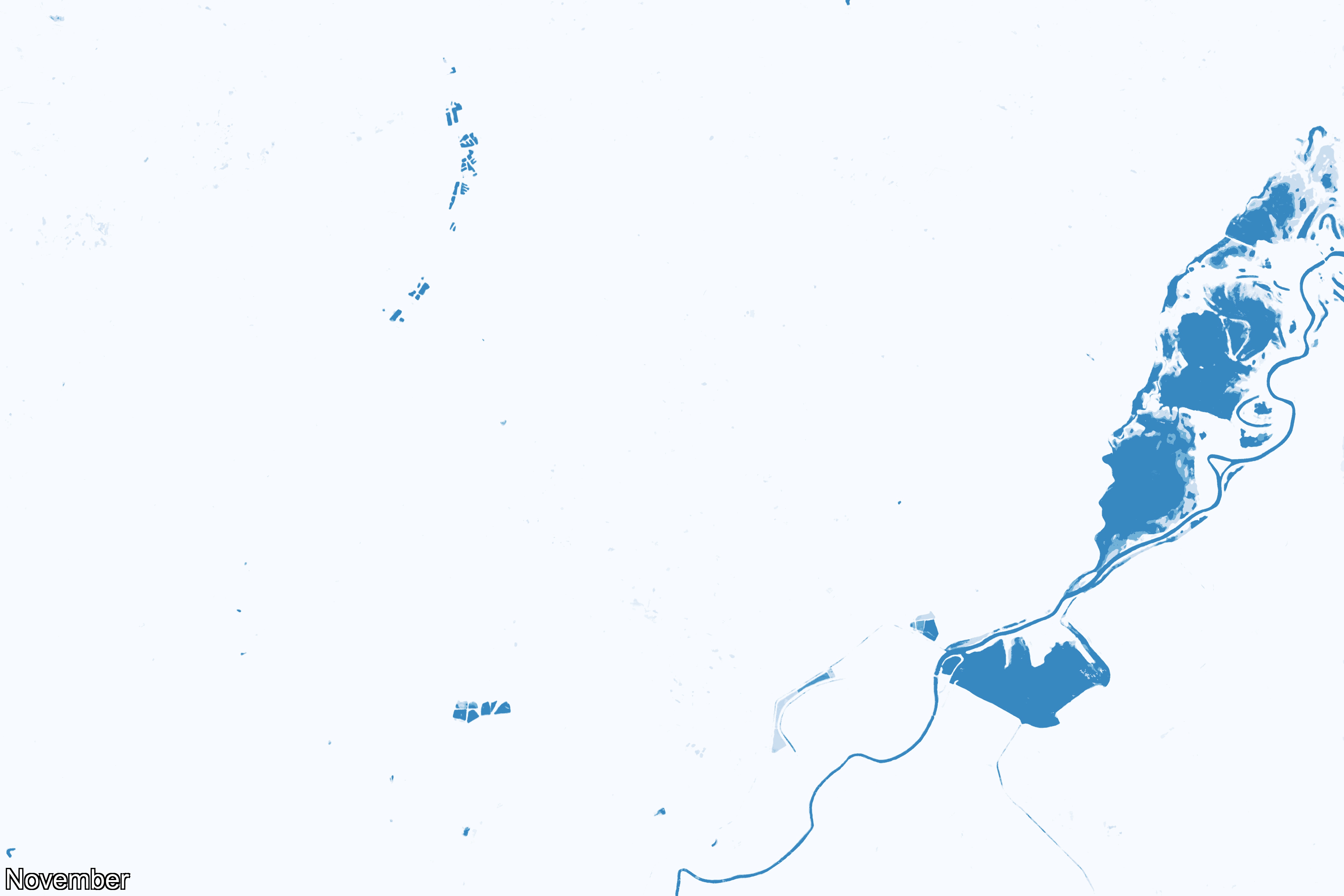
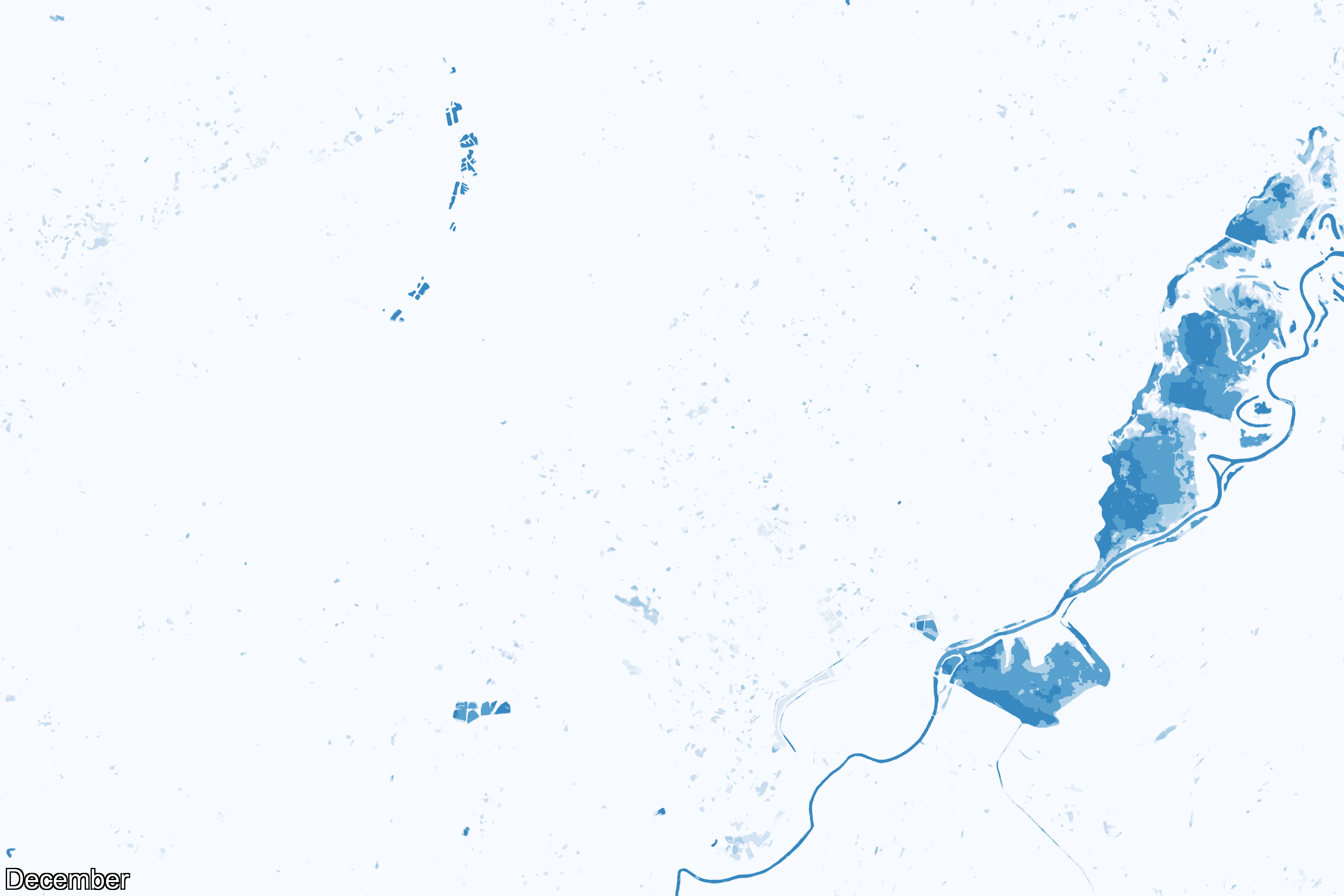
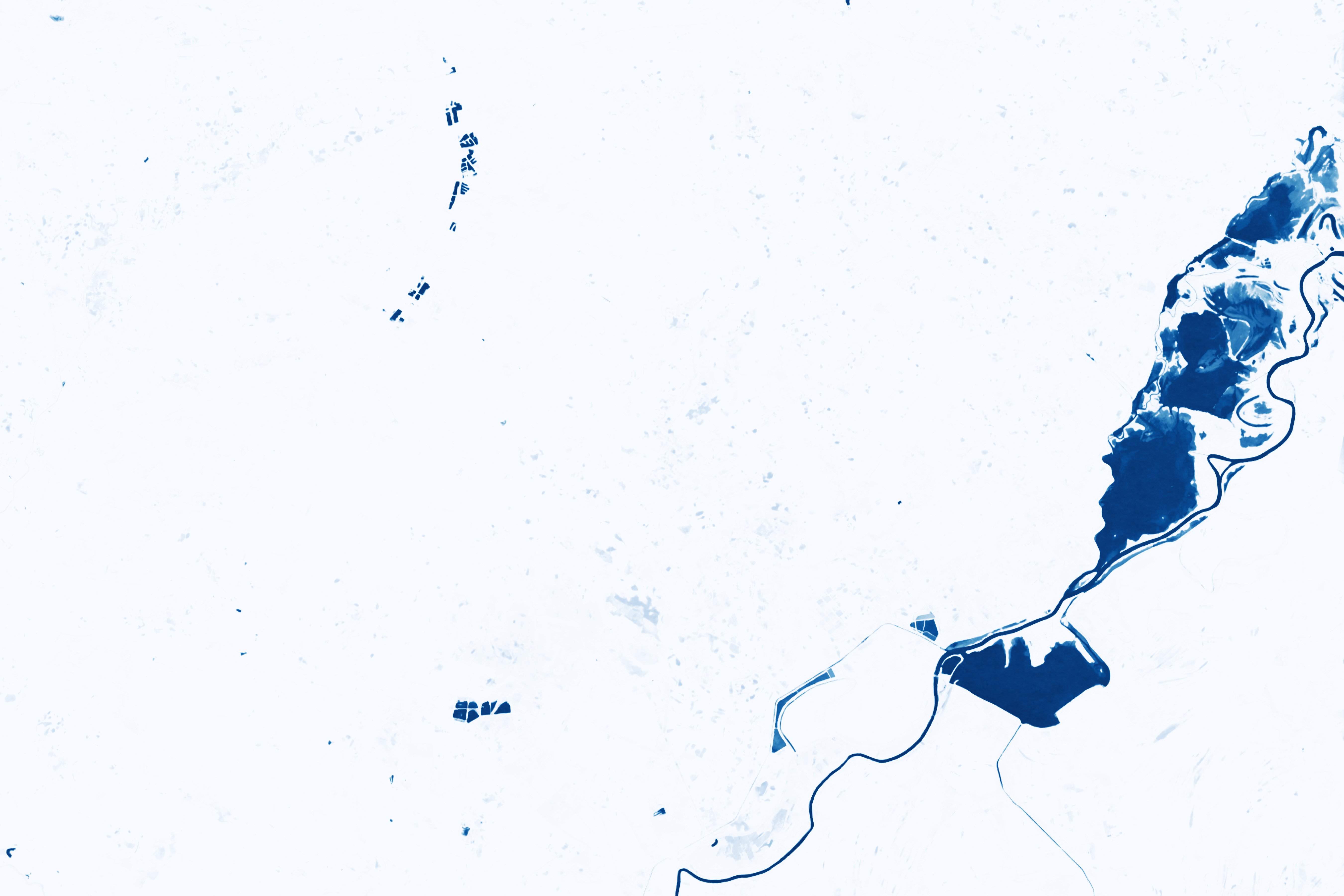
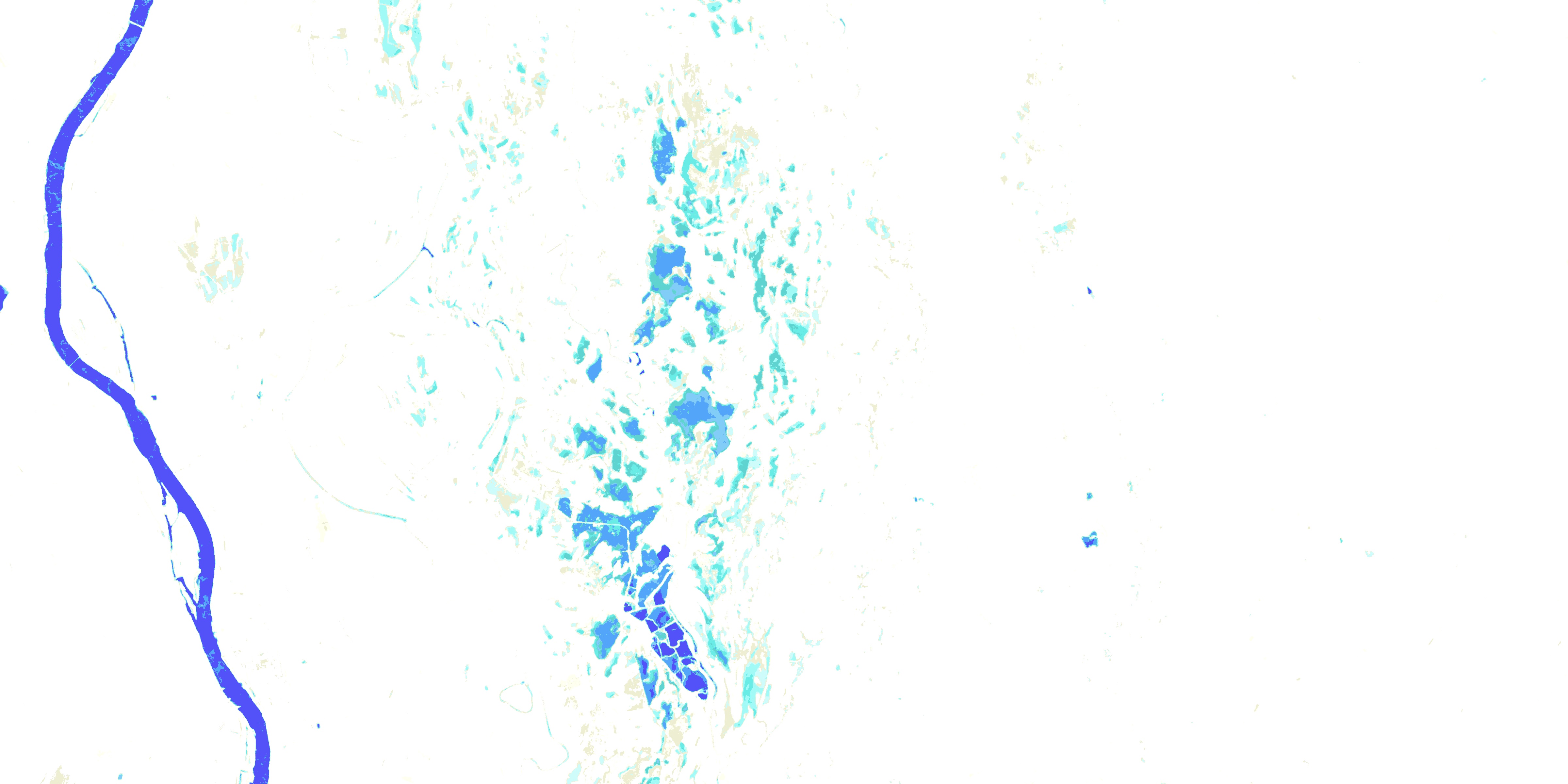
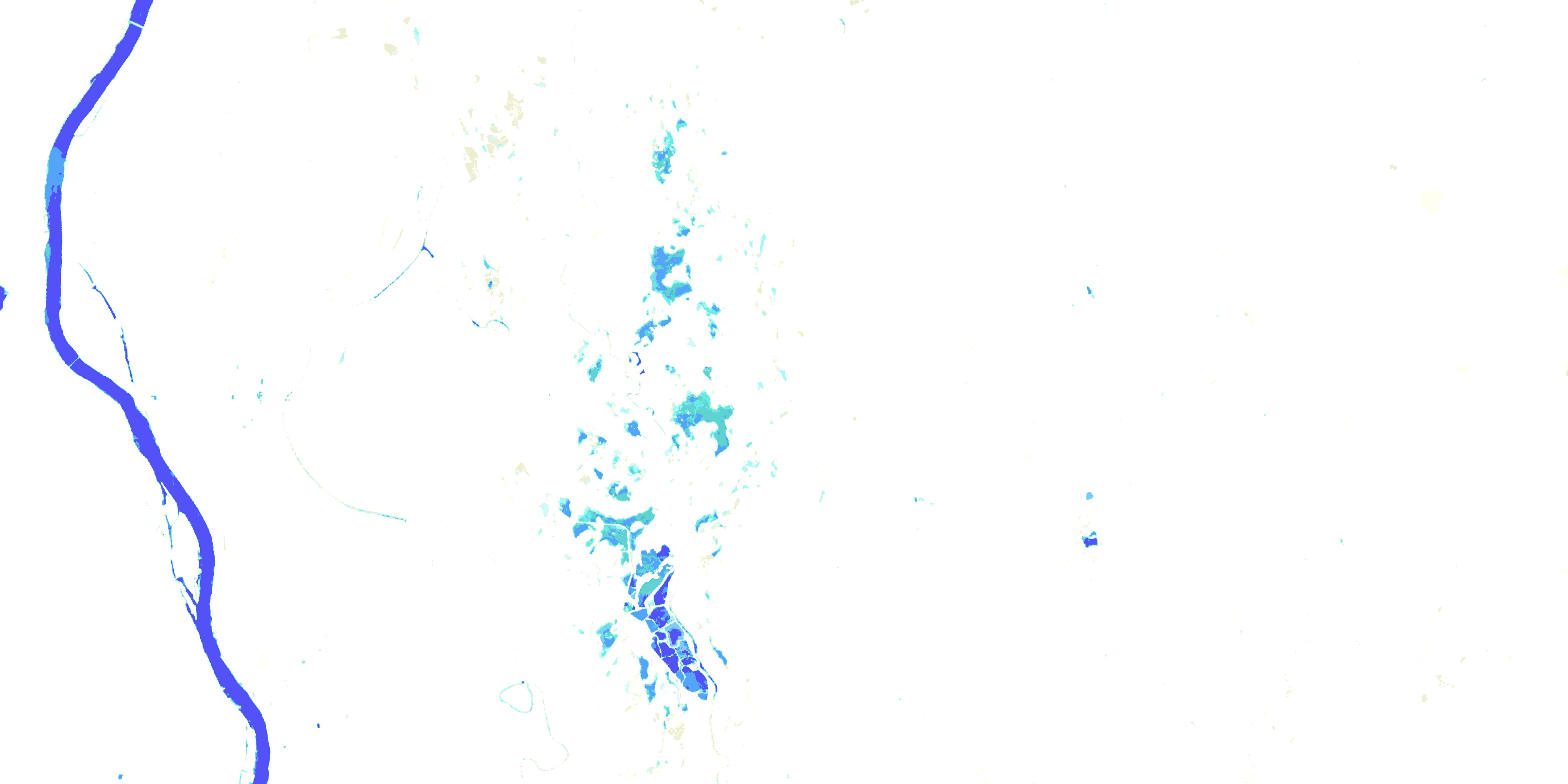
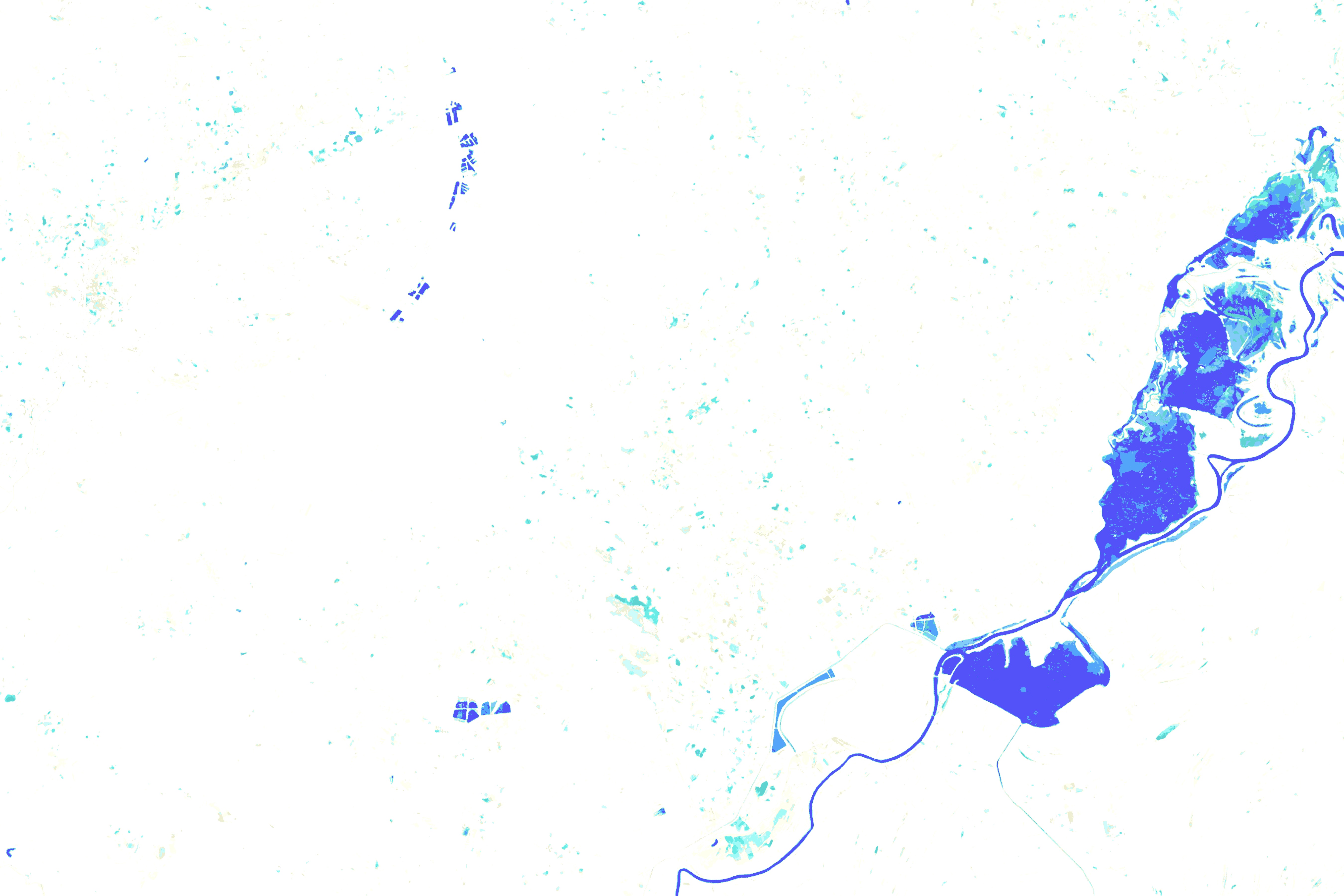
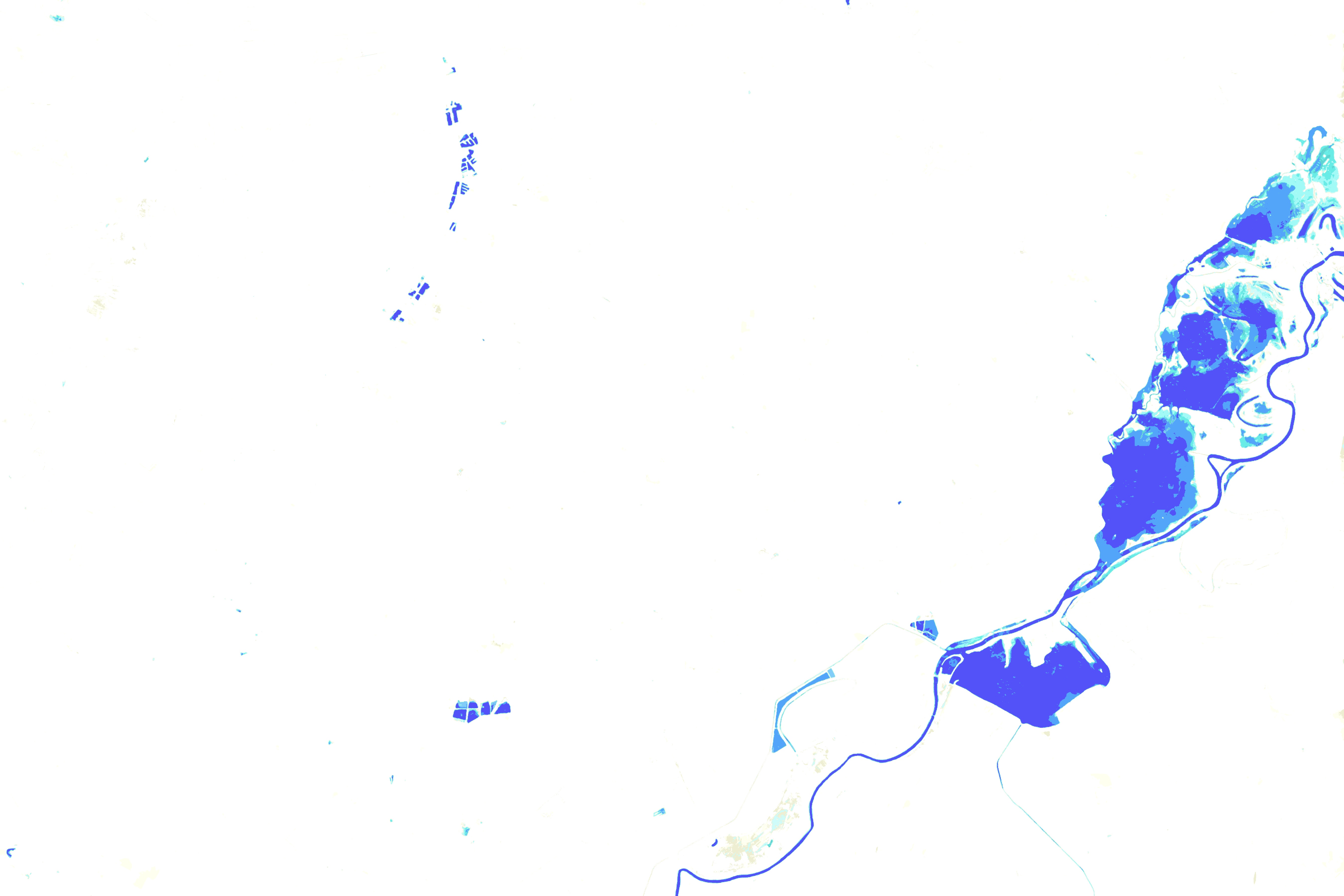
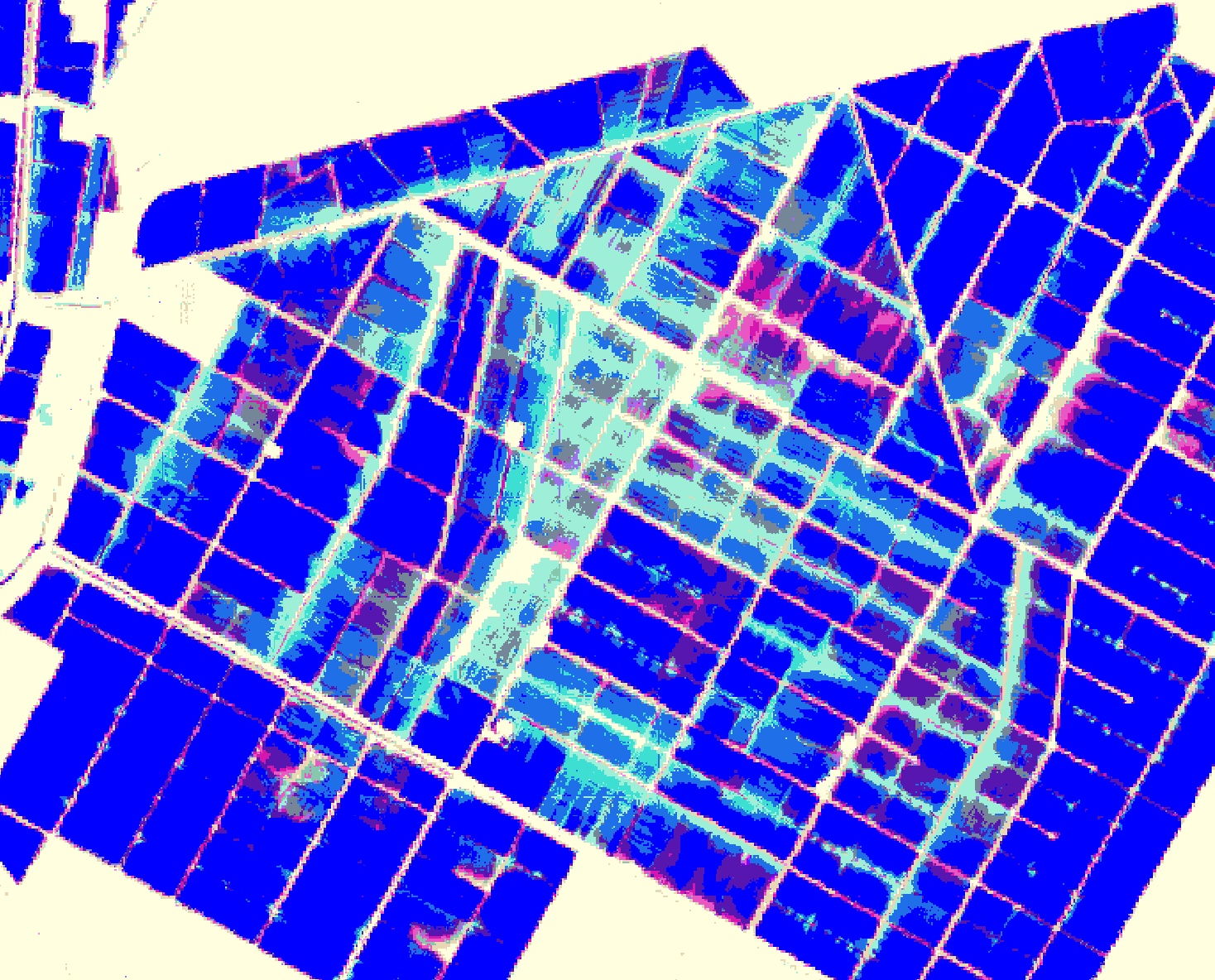
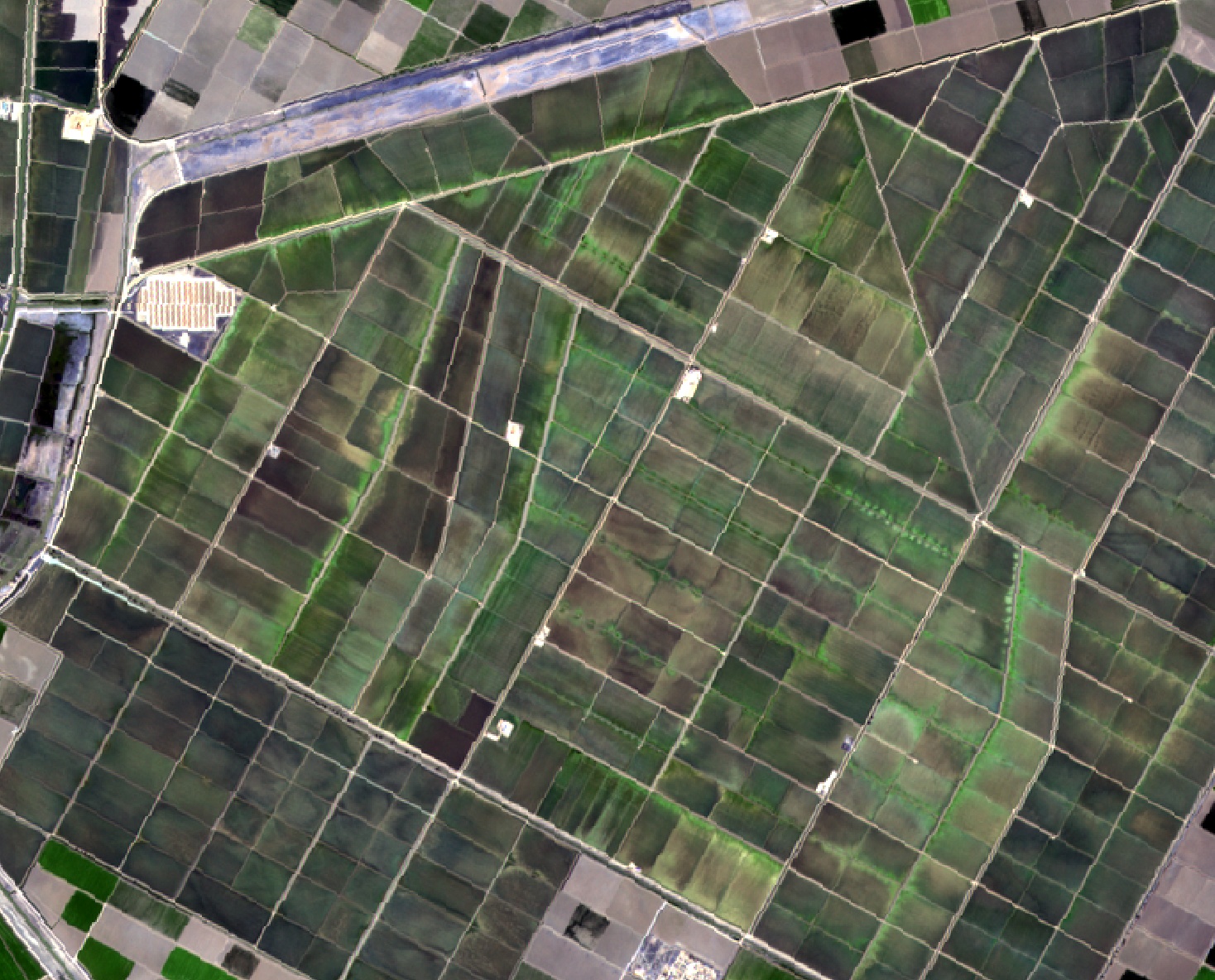
We created our maps on two levels of information: the first level consists of a time series of single-date maps. From these, we derived the second level, which consists of maps showing the frequency and maximum duration of water impact. The following single-date map categories were included in the definition of water impact: open water, soils seriously affected and vegetation standing in water.
The methodology development was conducted on two study areas. One – the Heves Steppes Landscape Protection Area – is located in the Bükk National Park (BNP), while the other area – with saline lakes and steppes – is located in the Kiskunság National Park (BNP).
The BNP region is a drained former floodplain of the River Tisza, characterized by extensive agricultural land use, dominated by arable fields and limited grassland areas, which are primarily used for livestock grazing. In contrast, the KNP area is situated in the former floodplain of the Danube River, including the second largest saline steppe of the Hungarian Great Plain.
Figures illustrate single-date maps methodology. The first row shows dataset samples, with labeled segmentation classes and assigned IDs. The second row presents test results, comparing hard segmentation, confidence map of the top-1 class, and soft segmentation outputs, which are presented by combining the colors of both top-2 classes. This visualization demonstrates how soft segmentation refines predictions, particularly in smaller yet critical regions of the images where class boundaries change.
From the temporally homogenized (equidistant) time series of the single-date IEW maps, we also produced maps that describe the temporal characteristics of water presence, such as frequency and duration. These maps were generated for predefined time intervals, covering the years from 2021 to 2024.
One of the main results of the developments is a series of single-date IEW maps. From these 8 categories maps, we compiled a time series at regular intervals (available every 5 days), which served as the basis for further developments.
Click on the colored points to view field data photos.
Maximum duration maps give information about the longest continuous water impact observed during the examined period. Pixel values express the number of observations.
While 2024 can be considered a year with average hydrological conditions, the effects of the extreme drought are clearly visible in the 2022 images.
For the optical-based model, a dynamic SplitClass segmentation was used to handle low-confidence predictions. Pixels with high confidence are assigned a single class, while uncertain pixels receive the top-2 most likely classes, visualized as blended colors. On the left, the input Sentinel-2 RGB image is compared with the SplitClass result. On the right, hard (top-1) and SplitClass (top-2) segmentation maps are shown side by side.
We applied our pretrained model to a distinct and ecologically different site, the Doñana National Park in Spain. This region has been analyzed using the WIW methodology, providing a valuable reference for comparative evaluation.
This work was supported in part by the European Space Agency Co. 4000142610, by the Hungarian Artificial Intelligence National Laboratory (MILAB, RRF-2.3.1-21-2022-00004), and also by the OTKA \#143274 project of the Hungarian NRDI Office.
@inproceedings{ibrahim2025inland,
title = {Inland Excess Water (IEW) Monitoring Using Sentinel-1/2: A SplitClass Segmentation and Temporal Gap-Filling Approach},
author = {Ibrahim, Yahya and Belényesi, Márta and Liu, Chang and Richter-Cserey, Mátyás and Simon, Máté and Szirányi, Tamás and Benedek, Csaba},
booktitle = {Proceedings of the ICCV Workshops on Sustainability with Earth Observation and AI (SEA)},
year = {2025}
}